
Why the Water You Use for Window Cleaning Actually Matters
Distilled water window cleaning is one of the most effective ways to get streak-free, spot-free glass — whether you’re tackling a single storefront or an entire building facade.
Here’s a quick answer if you’re in a hurry:
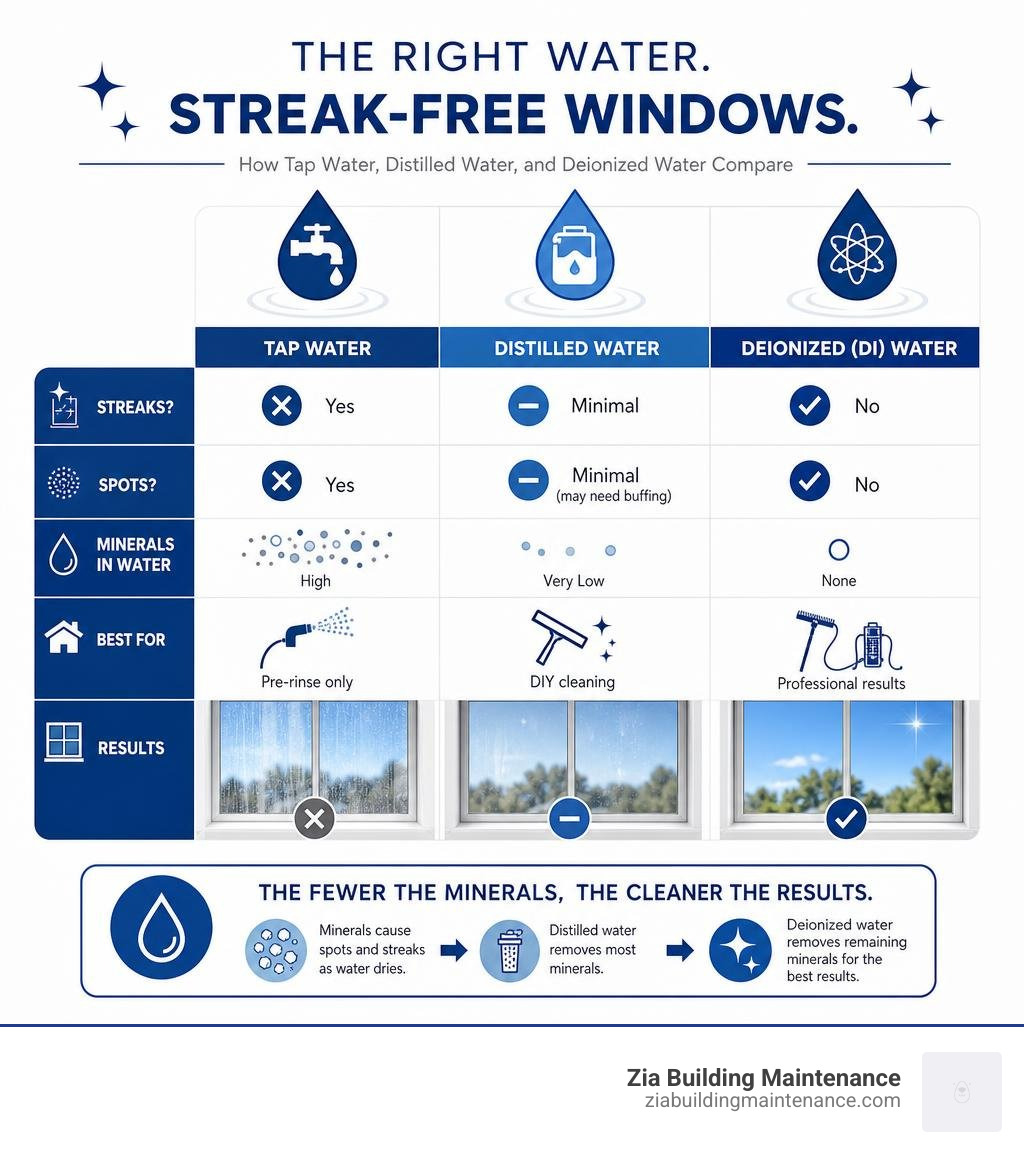
| Water Type | Streaks? | Spots? | Best For |
|---|---|---|---|
| Tap water | Yes | Yes | Pre-rinse only |
| Distilled water | Minimal | Minimal (may need buffing) | DIY cleaning |
| Deionized (DI) water | No | No | Professional results |
The short version:
- Tap water contains minerals like calcium and magnesium that leave spots when water evaporates
- Distilled water has most of those minerals removed, so it dries much cleaner
- Deionized water goes further — it pulls remaining minerals off the glass as it rinses, giving you the most spot-free result
- For DIY use, distilled water is a practical, affordable option that delivers noticeably better results than tap water
Most people assume any clear water will clean glass the same way. It won’t. The minerals dissolved in ordinary tap water are invisible — until the water dries and leaves a hazy, streaky film behind. That’s not dirt. That’s chemistry.
Albuquerque’s water is notoriously hard. If you’ve ever cleaned your windows on a sunny morning and walked back outside an hour later to find them looking worse than before, now you know why.
This guide walks you through exactly how distilled water compares to other water types, when it’s enough for the job, and when you need something stronger.
I’m Ashley Cordova, Vice President of Zia Building Maintenance, a family-owned commercial cleaning company serving New Mexico since 1989 — and distilled water window cleaning is one of the practical techniques our team evaluates regularly when advising clients on the best approach for their facilities. From both hands-on operations experience and a detail-driven approach to cleaning science, I’ll break this down in plain terms so you can make the right call for your building.
Common distilled water window cleaning vocab:
Distilled Water vs. Deionized Water: What’s the Difference?
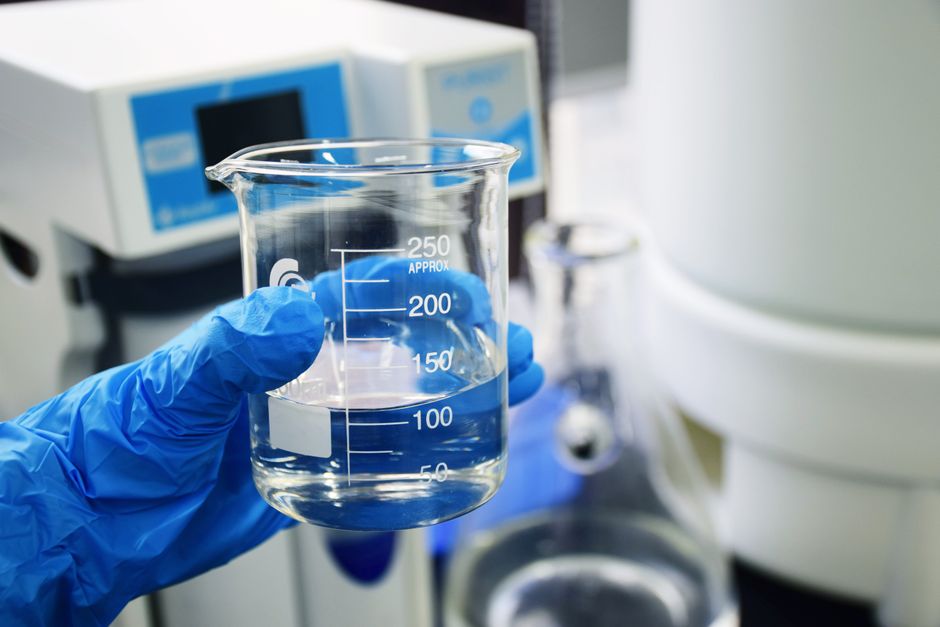
When researching high-purity water for window cleaning, you will constantly run into two terms: distilled water and deionized (DI) water. While both are significantly purer than what comes out of your garden hose in Rio Rancho or Los Ranchos, they are created differently and behave differently on your glass.
Distilled water is produced through a thermal process called steam distillation. Water is boiled into steam, leaving behind heavy minerals, bacteria, and solid impurities. The steam is then captured and condensed back into liquid form.
Deionized water, on the other hand, is created through an ion exchange process. Tap water passes through pressurized tanks filled with electrically charged resin beads. These beads act like microscopic magnets, catching mineral ions (such as calcium, sodium, and magnesium) and replacing them with pure hydrogen and hydroxide ions, which combine to form pure water. For a deeper dive into this chemical process, you can read about What is Deionised Water and Why is it Used for Window Cleaning?.
To help visualize how these water types match up, here is a breakdown of their characteristics:
| Feature | Tap Water | Distilled Water | Deionized (DI) Water |
|---|---|---|---|
| Primary Production Method | Municipal filtration | Thermal boiling & condensation | Ion exchange resin filtration |
| Mineral Content | High (especially in NM) | Extremely low | Near zero |
| Electrical Conductivity | High | Low | Near zero |
| How it Behaves on Glass | Leaves heavy white rings | Dries clean (may need light buffing) | Acts like a “dirt vacuum”; dries 100% spot-free |
| Best Cleaning Application | Initial heavy mud removal | DIY window washing & interior glass | Professional water-fed pole systems |
Understanding TDS and Water Purity
To understand why these differences matter, we have to look at TDS, or Total Dissolved Solids. Measured in parts per million (ppm), TDS represents the concentration of dissolved minerals, salts, and metals in your water.
Ordinary tap water in the Albuquerque metro area can easily register anywhere from 150 to over 300 ppm on a TDS meter. When that water evaporates off your glass, every single one of those dissolved solids stays behind, creating those annoying white spots.
To achieve a true, spot-free air-dry finish, professional window cleaners target a TDS level of 0 to 10 ppm. Both distilled and deionized water can reach this ultra-pure threshold, but they manage electrical conductivity differently. Because deionized water has had its charged ions stripped, it is chemically hungry. It actively attracts and binds to the ionic charges of dirt particles on your window, pulling them off the glass surface. You can learn more about how these systems function in commercial settings by exploring DI Water Systems Explained for Window Cleaning | EquipMaxx.
Can You Use Distilled Water Instead of Deionized Water?
Yes, you can absolutely use distilled water instead of deionized water for DIY window cleaning, and the results will be vastly superior to tap water. However, there is a catch in the application method.
Deionized water is typically used in professional “flow-through” water-fed pole systems where the glass is continuously flushed with pure water and left to air-dry naturally. Because distilled water does not have the same aggressive ion-attracting properties as freshly deionized water, and because store-bought distilled water is applied manually via spray bottles or buckets, it lacks the volume to flush away all dirt on its own.
If you simply spray distilled water on a dirty window and let it puddle, any remaining atmospheric dust or frame dirt will dissolve into the water droplets. As those droplets dry, they will leave minor spots. Therefore, when using distilled water for DIY window cleaning, you must still use a physical squeegee or buff the glass dry with a clean microfiber cloth to ensure a perfect finish. For a detailed comparison on producing your own purified water, check out Making Deionized Water for Window Cleaning: A Quick Guide.
The Science of Distilled Water Window Cleaning
To understand why distilled water window cleaning works so well, we have to look at glass through a microscope.
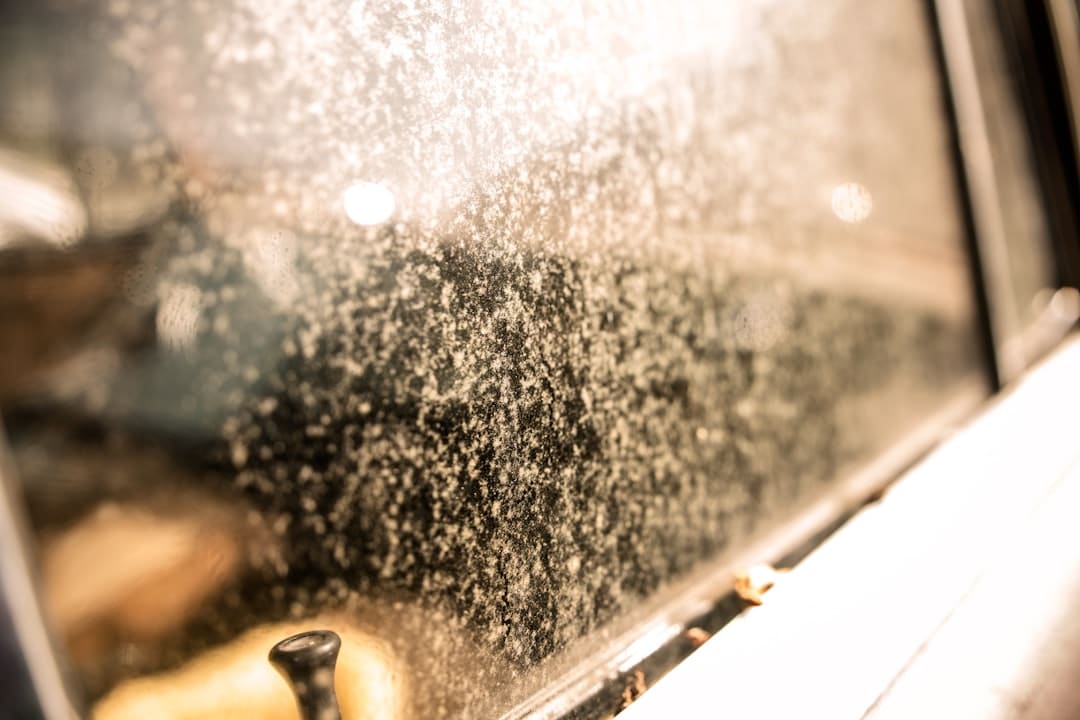
While a window pane feels perfectly smooth to your touch, it is actually a highly porous silica landscape full of microscopic peaks, valleys, and craters. When you wash windows with tap water, the water fills these tiny valleys. As the sun beats down and causes rapid evaporation, the pure water molecules escape into the air, leaving behind heavy minerals—calcium, magnesium, and sodium—wedged deep inside the microscopic pores of the glass.
Over time, these mineral deposits build up, causing permanent hard water etching. To prevent this, professional-grade cleaning relies on understanding glass physics. For a closer look at how lint and mineral buildup ruin your view, read Stop Using Lint: This $3 2026 Window Cleaner Hack Ends Streaks – Affordable Window Repair and Replacement.
Why Tap Water Leaves Streaks and Spots
When tap water evaporates on glass, it leaves behind a physical residue. If you use a soap-based cleaner mixed with tap water, the soap binds to the dissolved minerals in the water, creating a sticky soap scum. This mixture clings to the glass surface, trapping airborne dust, pollen, and vehicle emissions. The next time it rains in Corrales or Rio Rancho, the rainwater reactivates this sticky residue, leading to immediate streaking.
How Distilled Water Prevents Mineral Deposits
Distilled water is essentially pure hydrogen and oxygen. Because it has a TDS of 0 ppm, it has no minerals to leave behind. When you apply distilled water to a window, it lowers the surface tension of the cleaning solution, allowing it to penetrate deep into the microscopic valleys of the glass and lift away trapped dirt.
Because there are no dissolved solids in the liquid, the water can evaporate completely without leaving a single trace of mineral residue behind. This allows the glass to dry to a crystal-clear, optical finish.
Pros and Cons of Distilled Water Window Cleaning for DIYers
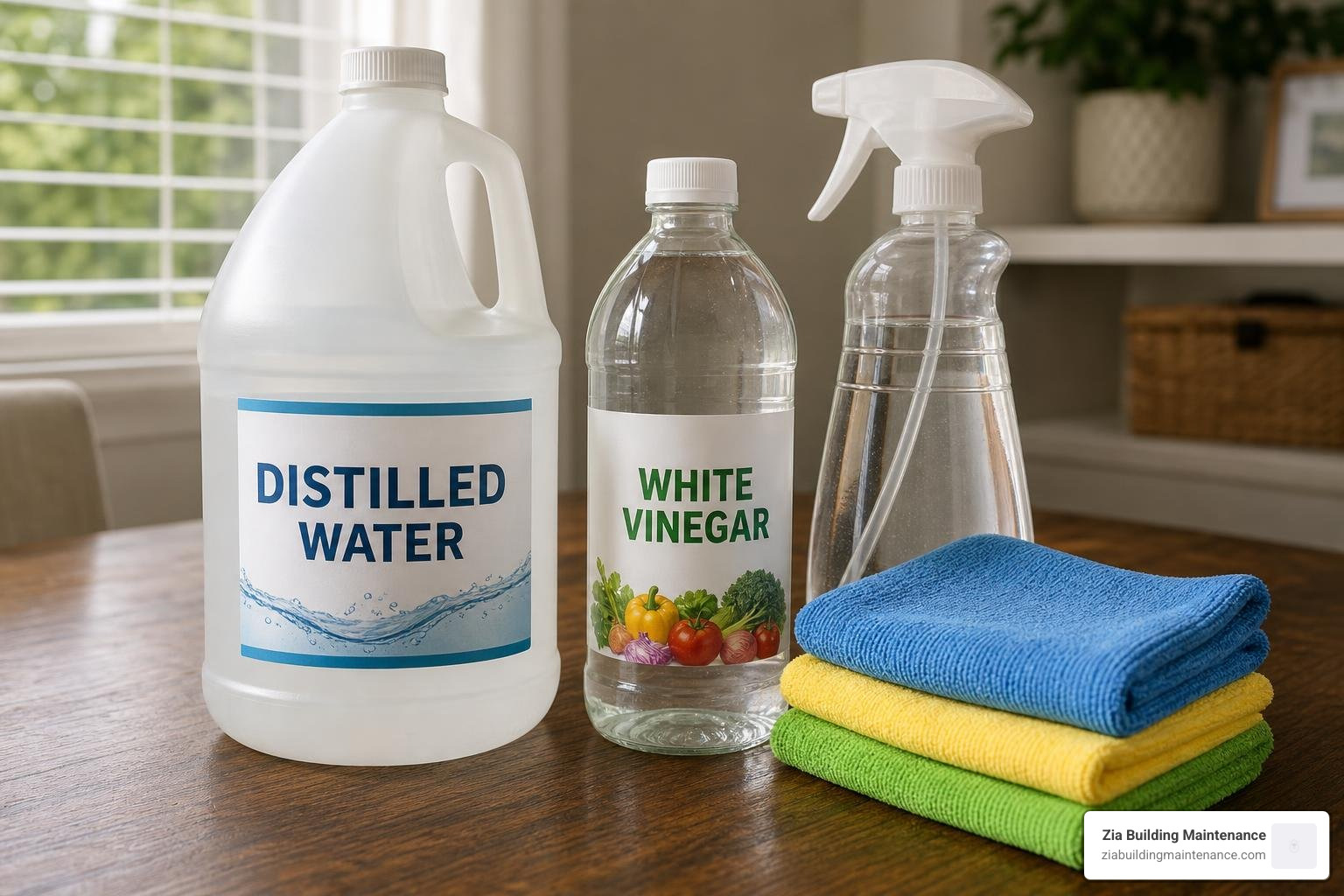
Using distilled water for your home or small business in Albuquerque has distinct advantages, but it also comes with practical limitations that are worth considering before you start.
The Benefits of DIY Distilled Water Window Cleaning
- Incredible Cost Efficiency: Distilled water is incredibly cheap. You can typically buy a gallon of distilled water for around $1.26 in the baby section at Walmart. To clean an entire 5,400-square-foot home with extensive exterior glass, you only need about 6 gallons of water. That is less than $8 in water costs!
- Eco-Friendly and Chemical-Free: Because pure water is an excellent solvent on its own, you do not need heavy chemical detergents or ammonia-based sprays. This keeps your home safe for children and pets, and won’t damage surrounding landscaping or stucco.
- No Soap Residue: Eliminating heavy dish soaps means there is no sticky film left on your windows to attract future dust and pollen, keeping your windows cleaner for longer. If you want to try a simple, natural recipe at home, check out The Best (and easiest) Homemade Window Cleaner Recipe! – Jenni Raincloud.
Limitations of Store-Bought Distilled Water Window Cleaning
- The Transportation Hassle: Carrying dozens of heavy single-gallon jugs from the grocery store is physically demanding and creates a massive amount of plastic waste.
- Labeling and Purity Issues: Not all water labeled “distilled” is created equal. Some bottled waters labeled as distilled actually have minerals added back in for taste, which will completely ruin your spot-free cleaning attempts.
- Safety Risks on Ladders: If you are cleaning multi-story windows, carrying buckets of water up a ladder is highly dangerous. Professional teams use ground-based poles to avoid these hazards entirely. For more safety tips and home cleaning basics, refer to Squeaky Clean Sparkling: Your Ultimate Home Window Cleaning Guide.
The Best DIY Distilled Water Window Cleaning Recipes and Process
For the ultimate streak-free finish, you should avoid heavy ammonia-based commercial sprays, which can degrade rubber window seals and damage modern Low-E glass coatings. Instead, use a physics-based, eco-friendly mixture. For a detailed look at how to protect your glass from the elements, check out Stop the Streaks: The 2026 Eco-Friendly Window Cleaner Mix for Rain – Affordable Window Repair and Replacement.
The Eco-Friendly Vinegar and Distilled Water Recipe
This highly effective, budget-friendly recipe breaks down dirt without leaving a film:
- 2 cups of distilled water (prevents mineral spots)
- 1/2 cup of high-purity white vinegar (acetic acid cuts through grease and organic grime)
- 1/2 cup of isopropyl alcohol (70%) (promotes rapid evaporation to prevent streaks)
- 2 drops of plant-based decyl glucoside surfactant or standard dish soap (breaks water surface tension)
Combine these in a clean spray bottle and shake gently to mix.
Step-by-Step Process for Spotless Windows
- Prep and Wash the Frames First: Never spray glass cleaner directly onto a dusty window frame. Use a damp cloth to wipe down the window tracks, sills, and frames first. If you skip this step, dirty water from the frame will run down onto your clean glass.
- Scrub the Glass: Spray your distilled water solution directly onto a dedicated microfiber scrubber or waffle-weave cloth, rather than soaking the glass. Scrub the window thoroughly from top to bottom, paying close attention to the corners.
- Squeegee with a Continuous Motion: Using a professional-grade squeegee with a fresh, sharp rubber blade, wipe the glass in a single, continuous “S” motion or straight down. Wipe the squeegee blade with a dry microfiber cloth after every single pass.
- Buff the Edges: Finish by wiping the perimeter of the window frame with a dry, lint-free waffle-weave microfiber cloth to catch any remaining drops before they can dry into spots.
When to Choose Professional Pure Water Cleaning Over DIY
While DIY distilled water window cleaning is perfect for ground-floor windows and interior glass, large-scale residential properties and commercial buildings present a different set of challenges.
When you have high-reach windows, fragile architectural glass, or severe hard water buildup, calling in a professional service is the safest and most cost-effective choice. To better understand how professionals price these specialized services, check out our Budgeting for Brilliance: Your Guide to Window Cleaning Costs.
The Power of Professional RO/DI Systems
Professional window cleaning services utilize trailer-mounted or portable multi-stage purification systems that combine Reverse Osmosis (RO) and Deionization (DI).
These industrial systems take ordinary tap water and strip it down to an absolute 0 ppm TDS standard on-site. The purified water is then pumped through lightweight carbon-fiber water-fed poles, allowing technicians to safely wash and rinse windows up to 5 stories high while standing firmly on the ground. This completely eliminates the safety risks of ladders and scaffolding.
Because the water is completely pure, the windows are rinsed thoroughly and allowed to air-dry naturally to a flawless, spot-free shine. To discover more industry secrets regarding pure water window maintenance, read our guide on Shine Bright: The Insider’s Guide to Professional Window Cleaning Secrets.
wp:html
/wp:html
wp:html
/wp:html
Frequently Asked Questions About Distilled Water Window Cleaning
Is store-bought distilled water always 0 TDS?
Not necessarily. While true steam-distilled water should have a TDS of 0 ppm, some bottled waters sold in grocery stores are actually purified via reverse osmosis or carbon filtration, which may leave a small amount of minerals behind (often registering between 5 to 15 ppm). Additionally, some brands add trace minerals back into the water for taste. Always check the label to ensure no minerals have been added, or use a cheap handheld TDS meter to verify the purity before cleaning.
Can I use a squeegee with distilled water?
Yes! Using a professional-grade squeegee with a distilled water and alcohol/vinegar solution is the absolute best way to clean interior glass. The squeegee glides smoothly over the glass surface, removing the dirty solution instantly and leaving a perfectly dry, streak-free pane behind.
Is distilled water safe for Low-E glass coatings?
Yes, distilled water is completely safe for high-performance Low-E (low-emissivity) glass coatings. Because distilled water is entirely non-abrasive and free of harsh chemicals like ammonia or heavy acids, it will not scratch, etch, or degrade the delicate microscopic metallic coatings applied to modern energy-efficient windows.
Conclusion
Achieving crystal-clear windows doesn’t require harsh chemical sprays or expensive equipment. By understanding the science of water purity and utilizing distilled water window cleaning techniques, you can easily keep your ground-level windows looking their absolute best.
However, when you are dealing with multi-story buildings, hard-to-reach glass, or busy commercial facilities in Albuquerque, Rio Rancho, Corrales, or Los Ranchos, the DIY approach can quickly become a time-consuming and hazardous chore.
At Zia Building Maintenance, we have provided dependable, high-quality commercial cleaning and janitorial services across the Albuquerque metro area since 1989. Our professional teams use advanced, multi-stage RO/DI pure water systems to deliver flawless, streak-free results safely from the ground. Let us take the hassle out of keeping your property looking its best.
Schedule Professional Window Cleaning Services with Zia Building Maintenance today!