

Even Experienced Cooks Deal With Burnt Pans — Here’s the Fastest Fix
Cleaning burnt pans doesn’t have to mean soaking, scrubbing, or giving up and throwing them away. Most burnt-on messes can be removed in minutes with ingredients you already have at home.
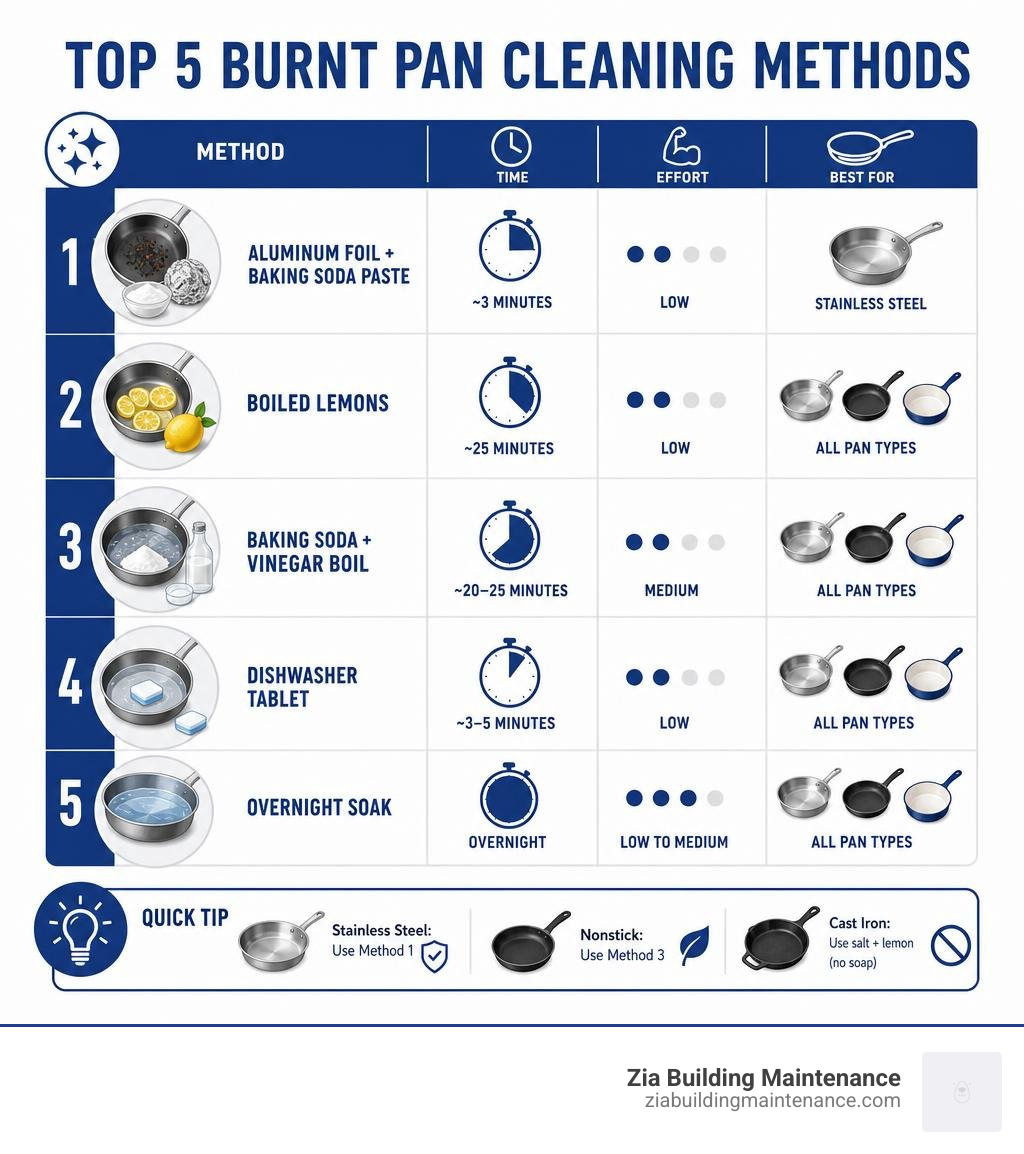
Quickest methods to clean a burnt pan:
- Aluminum foil + baking soda paste — Cover the burnt area with 2-3 tablespoons of baking soda, add a little water to form a paste, then scrub with a crumpled ball of aluminum foil. Cleans in about 3 minutes. Best for stainless steel.
- Boiled lemons — Quarter 2-3 lemons, place in the pan, cover with water, and boil for 5-10 minutes. Minimal scrubbing needed. Takes about 25 minutes total.
- Baking soda + vinegar boil — Boil water to loosen debris, add baking soda, then splash in white vinegar. Let sit 15-20 minutes, then scrub gently.
- Dishwasher tablet — Warm a little water in the pan and scrape the tablet over burnt spots. Done in 3-5 minutes.
- Overnight soak — Fill with warm water and dish soap and let sit overnight, then scrub with a nylon brush.
Bottom line: The aluminum foil and baking soda method is the fastest and most effective for stainless steel. For nonstick, stick to the baking soda boil. For cast iron, skip soap entirely and use coarse salt with a lemon.
Every home cook has been there — you get distracted, the heat is a little too high, and suddenly you’re staring at a pan that looks more like volcanic rock than cookware. The good news is that most burnt pans are far from ruined.
I’m Ashley Cordova, Vice President of Zia Building Maintenance, a family-owned commercial cleaning company serving New Mexico since 1989. My background in operations and professional cleaning has given me a deep understanding of what actually works when tackling tough, stuck-on messes — including cleaning burnt pans in both home and commercial kitchen settings. In the sections below, I’ll walk you through every method, ranked by effort and effectiveness, so you can get your cookware looking like new without causing more damage.
The Science of Scorching and Why Food Burns
Before we pull out the scrub brushes, it helps to understand what actually happens when dinner becomes permanently fused to your cookware. Whether you are cooking in a home kitchen in Los Rancho or managing a busy commercial kitchen in downtown Albuquerque, the physics of heat and food remain the exact same.
When food burns onto a pan, it undergoes a complex chemical process. Protein-rich foods (like eggs or meat) and sugar-heavy ingredients (like sauces or caramelized onions) are the worst offenders. When subjected to excessive heat, these molecules break down and form extremely strong chemical bonds with the microscopic pores of the metal. This process is known as polymerisation—essentially, the food turns into a tough, plastic-like varnish that resists standard soap and water.
Several factors accelerate this stubborn adhesion:
- Poor Heat Distribution: Cookware with thin bottoms or uneven metal distribution develops hot spots. These areas heat up much faster than the rest of the pan, instantly scorching food that comes into contact with them.
- Exceeding Oil Smoke Points: Every cooking oil has a specific temperature at which it begins to break down and smoke. When you exceed this temperature, the oil oxidizes, loses its lubricating properties, and contributes to a sticky, carbonized layer on the pan.
- Thermal Shock: Placing a piping hot pan directly into cold sink water can cause the metal to warp. A warped pan will never sit flat on your stove again, leading to uneven heat distribution and future scorching. According to professional guides on How to Clean Scorched Pans – Whirlpool, allowing your pan to cool completely before introducing liquid is vital to maintaining its structural integrity.
By understanding the underlying chemistry of polymerisation, we can use specific household ingredients to break those tough chemical bonds without scratching or ruining the underlying metal.
The Ultimate Guide to Cleaning Burnt Pans Safely
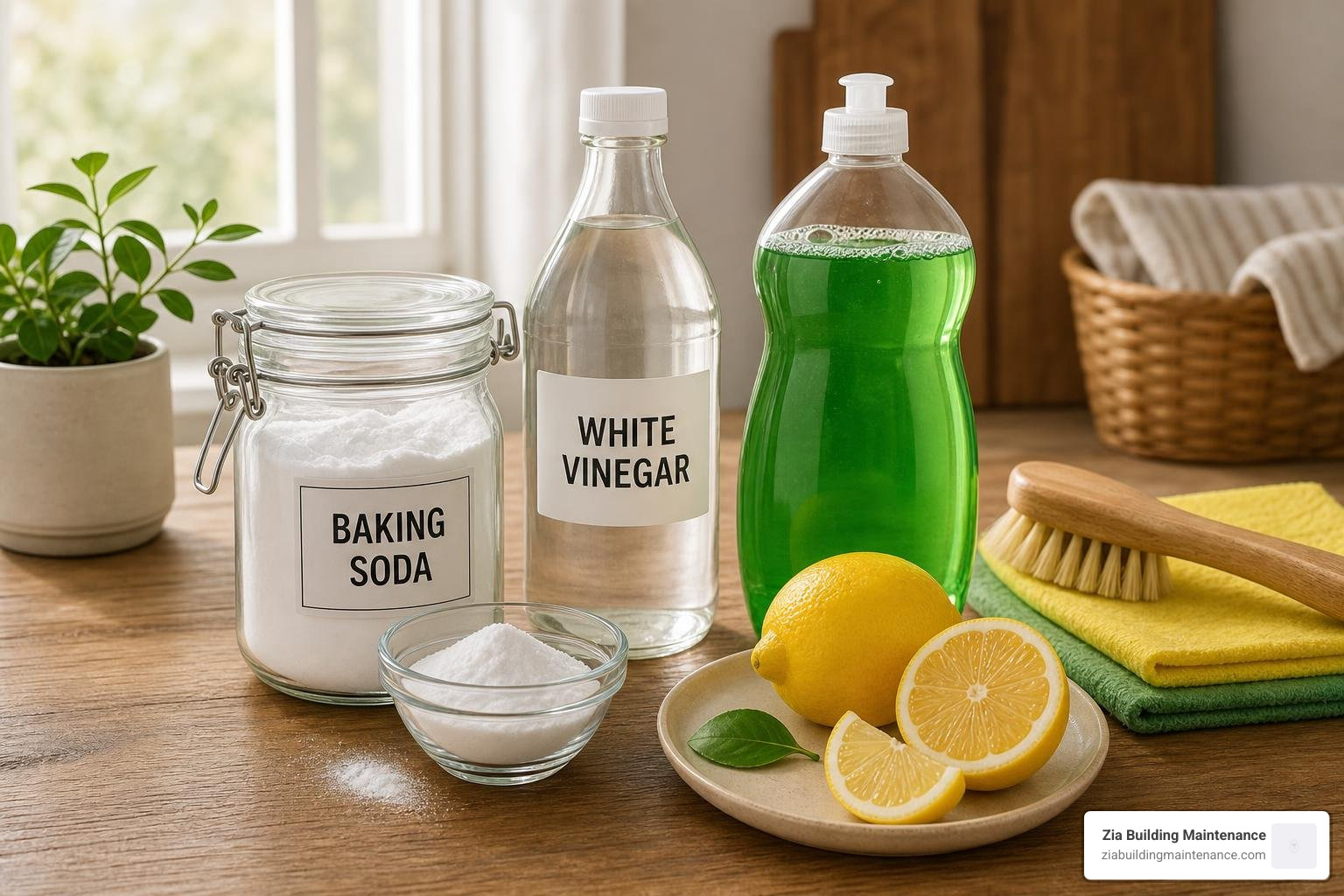
Restoring your cookware doesn’t require harsh, industrial-strength chemicals that can degrade your indoor air quality. In fact, some of the most effective tools for cookware restoration are already sitting in your kitchen pantry.
When we evaluate the best ways to tackle cleaning burnt pans, we look at two main metrics: active effort (how much elbow grease you have to expend) and total time (how long the process takes from start to finish). While some internet hacks promise effortless results, a controlled test of popular methods reveals a massive variation in performance.
In a series of rigorous trials conducted by culinary testers at I Tested 5 Ways to Clean Burnt Pans | The Kitchn, different household methods were put head-to-head on identical, heavily scorched stainless steel pans. The results shattered several common myths about classic DIY cleaning solutions.
wp:html
/wp:html
wp:html
/wp:html
Let’s dive deep into the top-performing methods, their step-by-step instructions, and the science behind why they work.
The Aluminum Foil and Baking Soda Method for Cleaning Burnt Pans
If you own stainless steel cookware, this is the absolute holy grail of cleaning methods. It is incredibly fast, requires almost zero waiting time, and completely restores the lustrous shine of your metal.
- How it works: Baking soda (sodium bicarbonate) is a mild alkali. When mixed with a small amount of water, it forms a concentrated paste that easily dissolves greasy, carbonized organic matter. The crumpled aluminum foil acts as a highly effective, semi-abrasive scrubber. Because aluminum is a softer metal than stainless steel, it will scrape away the burnt food particles without leaving deep, permanent scratches on your stainless steel surface.
- Step-by-Step Instructions:
- Empty any loose debris from the cooled pan.
- Sprinkle 2 to 3 tablespoons of baking soda generously over the burnt areas.
- Add a few drops of water—just enough to form a thick, gritty paste.
- Crumple a small sheet of utility aluminum foil into a loose ball (about the size of a golf ball).
- Using moderate pressure, scrub the baking soda paste over the scorched spots in a circular motion.
- Once the burnt-on food is lifted, rinse the pan thoroughly with warm water and dry with a clean cloth.
- Time and Effort: This method is a powerhouse, earning a perfect 5/5 rating in testing. It takes a mere 3 minutes of active scrubbing and requires minimal physical effort.
Safety Note: This method is highly effective for stainless steel, but as noted in How to Clean a Burnt Pan | Maytag, you should never use aluminum foil on nonstick or ceramic-coated pans, as it will instantly scratch and ruin the delicate coatings.
The Vinegar and Baking Soda Boil: Is It Worth the Effort?
Almost every cleaning blog on the internet recommends the classic baking soda and vinegar boil. But when put to the test, this method often fails to live up to the hype.
- How it works: Acetic acid in distilled white vinegar helps break down tough proteins, while the alkaline baking soda creates a fizzy, carbon dioxide-fueled reaction that is supposed to lift debris. However, mixing the two directly actually neutralizes their cleaning power, leaving you with simple saltwater.
- Step-by-Step Instructions:
- Pour equal parts water and white vinegar into the pan until the burnt food is fully submerged.
- Bring the mixture to a rolling boil on your stovetop and let it simmer for 10 minutes to loosen the outer layers.
- Remove the pan from the heat, and carefully add 2 tablespoons of baking soda (it will fizz up rapidly).
- Let the mixture sit for 15 to 20 minutes as it cools.
- Empty the liquid and scrub vigorously with a non-abrasive sponge.
- Time and Effort: Despite its popularity, this method only earned a 1/5 rating in controlled testing. It takes roughly 25 minutes of total time, releases incredibly strong, pungent vinegar odors throughout your home, and still requires heavy, exhausting physical scrubbing to remove the remaining residue. To understand the exact chemistry of why this sequence often falls short, check out the detailed breakdown in Burnt Pan Rescue: Baking Soda + Vinegar Boil, Explained – magazinetutorial.com.
Alternative Hacks for Cleaning Burnt Pans: Lemons, Dryer Sheets, and Soda
When you don’t have baking soda on hand, several other common household items can step up to save your cookware.
- The Boiled Lemons Method: This is a surprisingly pleasant and highly effective alternative, earning a 4/5 rating. The natural citric acid and essential oils in lemon rinds break down burnt starches and sugars while leaving your kitchen smelling fantastic. Simply quarter 2 to 3 fresh lemons, place them in the pan, cover them with water, and bring to a boil for 5 to 10 minutes. You will actually see the black food particles float to the surface. Discard the lemons, let the water cool, and wipe the residue away with a gentle sponge.
- The Dryer Sheet Soak: This method involves filling the pan with warm water, adding a drop of dish soap, and submerging a standard dryer sheet to soak for 60 to 70 minutes. The conditioning surfactants in the dryer sheet help loosen the bond between the food and the pan. While it requires almost zero active effort, it earned a low 1/5 rating because it rarely removes stubborn, heavily carbonized messes completely, often requiring a second cleaning method to finish the job.
- Coca-Cola and Toothpaste: For an unconventional scientific approach, some home cooks swear by combining the phosphoric acid found in Coca-Cola with the mild, polishing abrasives in everyday toothpaste. You can learn how to mix this unique paste in the guide on Homemade cleaner for burnt pans made from Coca-Cola and toothpaste that will blow you away | City Magazine .
To help you decide which route to take, here is a quick reference table comparing the most popular cleaning hacks:
| Cleaning Method | Total Time | Active Effort | Rating | Best Cookware Compatibility |
|---|---|---|---|---|
| Aluminum Foil + Baking Soda | 3 minutes | Very Low | 5/5 | Stainless Steel, Copper |
| Boiled Lemons | 25 minutes | Low | 4/5 | Stainless Steel, Nonstick, Ceramic |
| Dishwasher Tablet | 3–5 minutes | Medium | 3/5 | Stainless Steel, Enameled Cast Iron |
| Baking Soda + Vinegar Boil | 25 minutes | High | 1/5 | Stainless Steel, Aluminum |
| Dryer Sheet Soak | 70 minutes | Low (Passive) | 1/5 | Nonstick, Stainless Steel |
Material Matters: Stainless Steel, Nonstick, and Cast Iron
When it comes to cleaning burnt pans, a “one-size-fits-all” approach is a recipe for disaster. Treating a delicate nonstick skillet with the same abrasive techniques used on heavy-duty stainless steel can permanently ruin your cookware’s surface.

Before applying any cleaning method, always identify your pan’s material to protect its surface. For expert insights on matching the right technique to your specific cookware, refer to How to Rescue a Burnt Pan and Finally Get That Layer of Gunk Off, Pros Say .
Cleaning Stainless Steel Cookware
Stainless steel is highly durable and can handle more aggressive cleaning methods than other materials. If baking soda doesn’t completely restore your pan, turn to a dedicated commercial cleanser like Bar Keepers Friend (BKF).
BKF contains oxalic acid, which chemically dissolves scorched food and heat discoloration at a molecular level. Simply wet the pan, sprinkle the powder to form a paste, let it sit for no more than one minute, and rub gently with a non-abrasive sponge in a circular motion. To get your stainless steel looking brand new, read about this Tried Everything? This Baking Soda Trick Gets Burnt Pots Clean Fast for a reliable, non-toxic alternative.
Cleaning Nonstick and Ceramic Pans
Nonstick coatings (like Teflon or ceramic glazes) are incredibly delicate. Once a nonstick coating is scratched, food will stick to it even worse in the future, and chemical coatings can begin to flake off into your food.
- Never use steel wool, scouring pads, aluminum foil, or abrasive powders on nonstick surfaces.
- The safest method is to fill the pan with water, add 2 tablespoons of baking soda, and simmer gently on the stove for 10 to 15 minutes. Use a soft wooden spoon or plastic spatula to gently scrape away the loosened bits as they warm up. Wash with a soft sponge and mild dish soap.
Restoring Burnt Cast Iron
Cast iron relies on a seasoned layer of baked-on oil to remain nonstick and rust-resistant. Harsh soaps, dishwasher tablets, and prolonged soaking will strip this seasoning away and cause the pan to rust.
- The Golden Rule: Never soak cast iron in water overnight.
- To clean a burnt cast iron skillet, pour a generous amount of coarse kosher salt into the pan and rub it vigorously with half of a cut lemon. The salt acts as a natural, safe abrasive, while the lemon juice lifts stains.
- For heavily stuck-on residue, use a specialized stainless steel chainmail scraper. It easily removes burnt food without stripping away your hard-earned seasoning. Rinse with hot water, dry completely on a warm burner, and apply a light coat of cooking oil to protect the metal.
How to Prevent Scorched Cookware and Stuck-On Messes
While knowing how to clean a scorched pan is an essential kitchen skill, preventing the burn in the first place is always the best strategy. Adjusting a few simple cooking habits can save you hours of scrubbing.
- Master Heat Management: Most home cooks use heat that is far too high. Unless you are searing a steak, stick to low or medium heat settings. Let your cookware heat up gradually rather than blasting it with maximum flame right out of the gate.
- Understand Oil Smoke Points: Match your cooking oil to your cooking temperature. Use high-smoke-point oils (like avocado, canola, or grapeseed oil) for high-heat cooking, and save delicate oils (like extra virgin olive oil or butter) for low-heat simmering and finishing.
- The Water Droplet Test: Before adding oil to a stainless steel pan, toss a few drops of water onto the dry metal. If the water sizzles and evaporates instantly, the pan isn’t ready. If the water forms distinct, rolling beads that glide across the surface like marbles, your pan is perfectly preheated. Add your oil now, and it will form a natural nonstick barrier.
- Deglaze as You Cook: If you notice caramelized food starting to build up on the bottom of your pan while cooking, pour in a small splash of water, wine, or broth. Use a wooden spoon to scrape those delicious, flavorful bits off the bottom. This not only prevents a burnt pan but also creates an incredible pan sauce!
- Stir Frequently: Never leave a simmering pot unattended. Dense, starchy foods like rice, oatmeal, and thick sauces settle to the bottom quickly and will scorch in seconds if not stirred regularly.
When to Replace Your Cookware Instead of Cleaning It
Sometimes, despite your best efforts and professional-grade cleaning techniques, a pan is simply beyond saving. Here is how to know when to retire your cookware and invest in an upgrade:
- Severe Warping: If the bottom of your pan is visibly bowed or no longer sits completely flat on your stove, it is time for a replacement. Warped pans create dangerous hot spots and can easily slide off flat glass cooktops.
- Degraded Nonstick Coating: If your nonstick pan is deeply scratched, peeling, or food continues to stick even after a thorough cleaning, the coating has failed. Cooking on damaged nonstick pans can release unwanted chemical residues into your food.
- Loose or Broken Handles: A loose handle on a heavy pot is a major safety hazard. If the rivets are failing or the handle cannot be securely tightened, discard the pan to prevent dangerous hot spills.
- Exposed Core Metal: High-quality multi-clad pans feature an aluminum or copper core sandwiched between layers of stainless steel. If the outer stainless steel has worn away, exposing the inner copper or aluminum core, the pan is structurally compromised and should be replaced.
Frequently Asked Questions
Can I use steel wool on all types of pans?
Absolutely not. Steel wool should only be used on durable, un-coated metals like stainless steel or unseasoned cast iron. Using steel wool on nonstick, ceramic, or enameled pans will permanently scratch and ruin the cooking surface, stripping away the protective coatings.
Does the dryer sheet method actually work?
Yes, but only for light, greasy residues. The surfactants in dryer sheets help loosen basic food bonds during a long soak, but they are highly ineffective against heavily carbonized, black, burnt-on messes. For tough scorches, the aluminum foil or boiled lemon methods are significantly faster and more reliable.
Is Bar Keepers Friend safe for cast iron?
No. Bar Keepers Friend contains oxalic acid, which is highly acidic and designed to strip away surface oxides and residues. Applying it to seasoned cast iron will strip away the protective layer of seasoned oil, leaving your cast iron vulnerable to rust.
Conclusion
Restoring a heavily scorched pan is incredibly satisfying. With the right household ingredients—like baking soda, lemons, or a simple ball of aluminum foil—you can save your favorite pots and pans from the landfill and bring them back to a brilliant, like-new shine.
Maintaining a clean, safe, and professional environment is what we do best. At Zia Building Maintenance, we have provided top-tier commercial cleaning and janitorial services to businesses across Albuquerque, Rio Rancho, Corrales, and Los Ranchos, New Mexico, since 1989. Whether you need your office breakroom, school kitchen, or commercial facility kept in pristine condition, our family-owned team delivers dependable service with unmatched attention to detail.
If you are looking for reliable commercial cleaning services to keep your facility looking its absolute best, we are here to help. More info about commercial cleaning services is just a click away—contact us today to experience the Zia difference!