The A+ Guide to a Clean School Environment
Why a Clean School Environment Matters for Students and Staff
A clean school environment directly affects how well students learn, how often they show up, and how healthy they stay throughout the year. This guide covers everything you need to know to keep your school sanitary, safe, and set up for success.
Quick answers:
- Reduces illness – Regular cleaning cuts student absences by up to 46%
- Improves focus – Cleaner air and surfaces help students concentrate and perform better on tests
- Prevents outbreaks – Proper disinfecting stops the spread of flu, norovirus, and other contagious illnesses
- Supports staff – Teachers and staff in clean schools report lower stress and fewer sick days
- Boosts reputation – A visibly clean school builds trust with parents and the wider community
Schools are busy, high-traffic spaces. Every day, hundreds of students and staff move through classrooms, hallways, cafeterias, and bathrooms – touching surfaces, sharing air, and spreading germs without even knowing it. The result? Without consistent, well-planned cleaning, schools can quickly become hotspots for illness that ripple out into the whole community.
The good news is that the right cleaning program makes a measurable difference. Research shows it, health agencies recommend it, and schools that prioritize it see real results.
I’m Ashley Cordova, Vice President of Zia Building Maintenance, a family-owned janitorial company serving New Mexico since 1989 – and maintaining a clean school environment is something our team takes personally. With over three decades of hands-on experience in commercial cleaning across Albuquerque and beyond, I’ve seen how the right protocols transform school facilities and protect the people inside them.
Key Clean school environment vocabulary:
Why a Clean School Environment is the Foundation of Academic Success
When we think about academic success, we often focus on curriculum, technology, and teacher quality. However, the physical state of the building is just as critical. A clean school environment serves as the literal foundation for learning. If a student is home sick or struggling to breathe due to dust-triggered asthma, they cannot engage with the best lesson plan in the world.
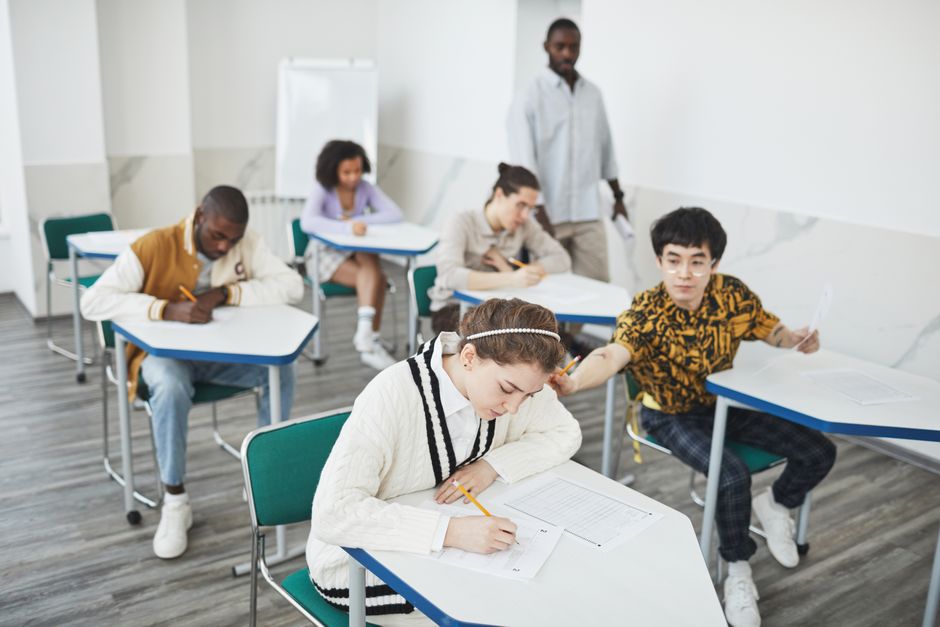
Research into classroom cleaning and health has shown that surface biocontamination is directly linked to illness-related absences. Specifically, higher levels of Adenosine Triphosphate (ATP)—a marker for biological residue—on student desks correlate with increased gastrointestinal issues. By maintaining higher standards of hygiene, schools create a “biologically quiet” environment where children can focus on their studies rather than fighting off germs. Furthermore, the benefits of a clean workplace extend to the faculty, ensuring that educators stay healthy and present to provide consistent instruction.
The Impact of a Clean School Environment on Student Health
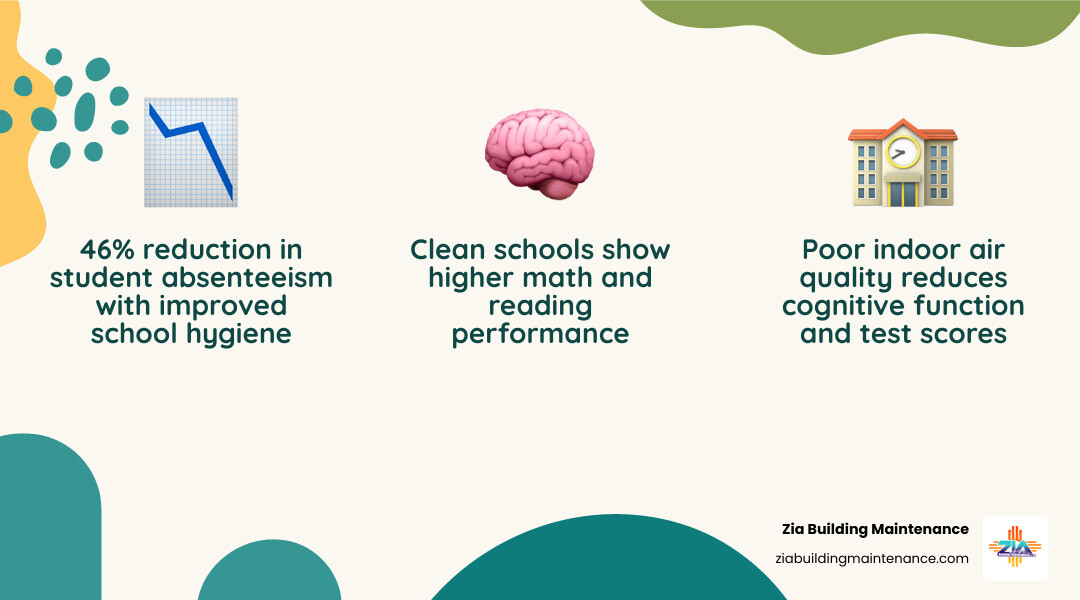
The most immediate benefit of an effective cleaning program is the reduction of absenteeism. Statistics show that improved hygiene and sanitation in schools can lead to a staggering 46% reduction in student absenteeism due to illness. When we target common culprits like the flu and norovirus, we aren’t just preventing a few sniffles; we are keeping classrooms full and learning on track.
Gastrointestinal (GI) illnesses are particularly sensitive to surface cleanliness. A longitudinal study found that for every “log unit” increase in ATP levels on desks, the probability of a student being absent due to GI issues increases significantly. By implementing twice-weekly deep cleaning of desktops, schools can reduce this risk and keep students in their seats. For those interested in staying ahead of these trends, you can sign up for schools and children’s health email updates to receive the latest environmental health guidance.
Boosting Cognitive Function and Learning Outcomes
Beyond physical health, a clean school environment directly impacts the brain. Poor indoor air quality (IAQ), often caused by accumulated dust, mold spores, and inadequate ventilation, has been proven to reduce cognitive function. Students in cleaner classrooms perform better on standardized tests, particularly in math and reading, because their brains aren’t being taxed by environmental stressors or allergens.
Allergens like dust mites and pollen can settle into carpets and upholstery, leading to “brain fog” and decreased concentration. When IAQ is prioritized through HEPA vacuuming and proper dusting, students experience improved focus and information retention. We often ask, can a cleaner office boost employee output? The answer is a resounding yes, and the same logic applies to our students in Albuquerque and Rio Rancho. A fresh, allergen-free room allows for peak mental performance.
Cleaning, Sanitizing, and Disinfecting: Understanding the Differences
One of the biggest hurdles in maintaining a clean school environment is the confusion between cleaning, sanitizing, and disinfecting. These are not interchangeable terms, and using the wrong method for a specific task can leave students at risk.
| Process | Goal | Action | Recommended For |
|---|---|---|---|
| Cleaning | Removes dirt, dust, and debris | Uses soap/detergent and water | Floors, windows, general surfaces |
| Sanitizing | Reduces germs to “safe” levels | Uses weaker chemical solutions | Food prep areas, toys, highchairs |
| Disinfecting | Destroys or inactivates germs | Uses EPA-registered chemicals | Bathrooms, nurse’s offices, body fluids |
Cleaning must always come first. Dirt and organic matter can “shield” germs from sanitizers and disinfectants, making them less effective. For a deeper dive into these nuances, check out our guide on the difference between cleaning, sanitizing, and disinfecting. You can also refer to the Guide for Cleaning, Sanitizing, and Disinfecting for specific schedules and chemical ratios.
Protocols for High-Touch Surfaces
In any school, certain areas act as “germ highways.” These are high-touch surfaces like doorknobs, light switches, shared keyboards, and water fountain buttons. Because these items are touched by hundreds of hands daily, they require more frequent attention than a standard floor or window.
We recommend a “targeted disinfection” strategy. This involves identifying these hotspots and ensuring they are treated with EPA-registered disinfectants at least once a day, or more during flu season. For more tips, see the ultimate guide to cleaning and disinfecting high-touch surfaces and be sure to look out for high-touch areas often missed during disinfection, such as the undersides of desks or the handles of shared athletic equipment.
Specialized Cleaning for Varied School Spaces
A school isn’t just a collection of classrooms. It includes varied spaces that each require a unique approach:
- Cafeterias: These require food-grade sanitizers and rigorous degreasing to prevent foodborne illness and pest infestations.
- Science Labs: Spills here may involve chemicals that require specific neutralizing agents rather than standard soap.
- Gymnasiums and Locker Rooms: High humidity and sweat make these breeding grounds for fungi like athlete’s foot and bacteria like MRSA.
- Playgrounds: Outdoor equipment needs regular inspection and cleaning to remove bird droppings, sand, and outdoor allergens.
For younger children, Cleaning Child Care Facilities requires even more care, as infants and toddlers are more likely to put toys and surfaces in their mouths.
Best Practices for Maintaining a Clean School Environment
To achieve a truly clean school environment, you need more than just a mop and a bucket. You need a system. This includes using the right tools—like microfiber cloths that can remove 99.9% of microbes with just water—and advanced monitoring technology.
One of the most effective ways to verify cleanliness is through ATP monitoring. By swabbing a surface and getting an immediate reading of biological residue, custodial teams can see exactly where their efforts are working and where they are falling short. This data-driven approach is a centerpiece of the Cleaning for Healthy Schools Toolkit. It ensures that we aren’t just “cleaning for appearance” but “cleaning for health.” Don’t forget to check for missed areas in office disinfection routines that often apply to school administrative offices as well.
Creating a Clean School Environment Through Community Engagement
Cleaning isn’t just the job of the janitorial staff; it’s a community effort. When students and staff are engaged in the process, the overall hygiene of the school improves exponentially. This starts with teaching “respiratory etiquette”—coughing into elbows and using tissues—and reinforcing proper handwashing routines.
Schools can implement “green teams” where students help monitor recycling or participate in classroom tidy-ups. Staff training is also vital; teachers should know which wipes are safe for student desks and how to report spills immediately. The CDC’s Everyday Actions for Schools to Prevent and Control the Spread of Infections provides a great framework for these community-wide habits.
Implementation: Checklists and Monitoring Systems
Consistency is the secret ingredient to a clean school environment. Without a checklist, it’s easy for a busy custodian to skip a bathroom stall or forget to dust the tops of lockers. A comprehensive cleaning checklist should break tasks down into daily, weekly, and monthly categories.
Routine cleaning keeps the day-to-day grime at bay, while scheduled deep cleanings (often during winter or summer breaks) allow for floor stripping, carpet extraction, and HVAC duct cleaning. To see how these systems look in action, watch this video on effective facility maintenance:
Implementing Green Cleaning and Sustainable Waste Management
In the past, “clean” often smelled like harsh bleach and ammonia. Today, we know that those very chemicals can trigger asthma attacks and irritate the skin of students and staff. Transitioning to green cleaning is a way to protect health while still effectively killing germs.
Green cleaning involves using products with low Volatile Organic Compounds (VOCs), neutral pH levels, and biodegradable ingredients. These products are often certified by organizations like Green Clean Schools or Green Seal. To see the potential impact of switching, schools can use the Green Cleaning Pollution Prevention Calculator to forecast chemical reduction and cost savings.
Steps to a Comprehensive Green Cleaning Program
Switching to a green program doesn’t happen overnight. It requires a structured approach:
- Baseline Assessment: Determine what chemicals are currently in use and where the biggest health risks lie.
- Stakeholder Support: Get buy-in from parents, teachers, and the school board by explaining the health benefits.
- Implementation Plan: Phase in certified products and train staff on new techniques (like using microfiber).
- Evaluation: Regularly review the program to ensure it meets cleanliness standards and budget goals.
Programs like New York’s Green Cleaning Program offer excellent templates that schools in Bernalillo County can adapt to their own needs.
Waste Management and Sanitary Stations
A clean school environment also requires smart waste management. Overflowing bins aren’t just unsightly; they attract pests and create odors that impact air quality. Implementing a robust recycling program and using “step-on” or touch-free waste containers can significantly reduce the spread of germs.
Furthermore, assigning designated sanitary stations—areas with touch-free hand sanitizer dispensers and tissues—in high-traffic hallways and cafeterias encourages students to maintain their own hygiene. For more on this, the EPA offers great resources on Reducing Waste at Schools.
Professional vs. In-House: Overcoming Maintenance Challenges
Many schools in Albuquerque and Rio Rancho face a difficult choice: should they rely solely on in-house staff or partner with a professional cleaning service? In-house teams are great for immediate spills and daily rapport, but they often face challenges like high turnover, limited training, and budget-strained equipment.
Professional services bring specialized expertise and industrial-grade equipment that in-house teams might lack. Whether it’s a private academy or one of the top public and private elementary schools in Albuquerque, professional cleaners ensure that the 5 germiest areas in an office (and school) are addressed with hospital-grade precision.
The Benefits of Specialized Commercial Cleaning
Partnering with a professional team like ours at Zia Building Maintenance provides several advantages:
- Hospital-Grade Disinfection: We use EPA-registered disinfectants that are proven to kill tough pathogens like norovirus and MRSA.
- Advanced Equipment: From HEPA-filter vacuums that improve air quality to electrostatic sprayers for 360-degree surface coverage.
- Consistent Standards: Our family-owned approach means we don’t cut corners. We provide the same high-quality service every single night.
- Local Expertise: We understand the unique environmental challenges of Bernalillo County, from high desert dust to seasonal allergy spikes.
We also stay updated on the latest office cleaning tips to prevent the spread of COVID-19, ensuring your school is prepared for any public health challenge.
Funding and Cost-Saving Strategies
We know that school budgets are tight. However, investing in a clean school environment actually saves money in the long run. Proper floor maintenance extends the life of expensive VCT tile, and regular HVAC cleaning reduces energy bills.
There are also numerous School Funding Opportunities through federal grants and state programs aimed at improving indoor environmental quality. By framing cleaning as a “preventative maintenance” cost rather than just an expense, administrators can protect both their students and their bottom line.
Frequently Asked Questions
What is the most effective way to reduce student absences?
The most effective way is a “layered” approach: daily cleaning of high-touch surfaces, promoting regular handwashing, and ensuring high indoor air quality through proper ventilation and HEPA vacuuming. Studies show this can reduce absences by up to 46%.
How often should school high-touch surfaces be disinfected?
High-touch surfaces like doorknobs, light switches, and shared desks should be cleaned and disinfected at least once daily. During peak flu season or an outbreak, these areas should be treated multiple times a day.
Are green cleaning products as effective as traditional chemicals?
Yes! Modern green cleaning technology has advanced significantly. EPA-registered green disinfectants are just as powerful at killing germs as traditional chemicals but are much safer for the respiratory health of students and staff.
Conclusion
Creating and maintaining a clean school environment is one of the most impactful things a community can do for its children. It’s about more than just shiny floors; it’s about health, attendance, and giving every student the best possible chance to succeed.
At Zia Building Maintenance, we’ve been the trusted cleaning experts for Albuquerque and the surrounding areas since 1989. As a family-owned business, we understand that schools are the heart of our community. We pride ourselves on dependable, high-quality service that focuses on the details others might miss. Whether you are in Downtown Albuquerque, Rio Rancho, or Bernalillo, we are here to help you achieve an A+ standard of cleanliness.
Contact Zia Building Maintenance for professional commercial cleaning today, and let’s work together to build a healthier future for our students.