TL;DR:
- Consistent office cleaning boosts employee health and productivity while extending the life of workplace assets.
- It reduces absenteeism, improves indoor air quality, and helps companies comply with OSHA standards, saving costs and risk.
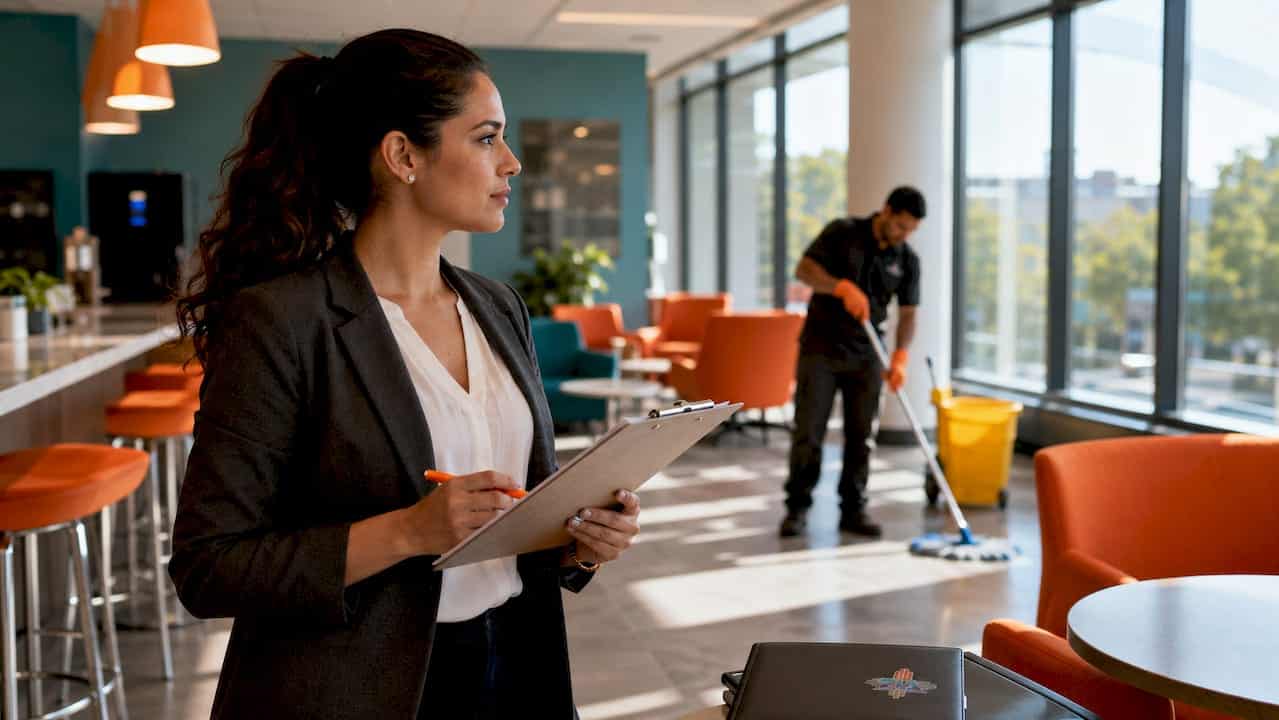
Consistent office cleaning is the single most effective operational investment a business manager can make to protect employee health, sustain productivity, and preserve physical assets. The benefits of consistent office cleaning extend well beyond a tidy appearance. They include measurable reductions in absenteeism, stronger compliance with OSHA housekeeping standards, and a workplace environment that retains talent. The ISSA (International Sanitary Supply Association) has documented direct links between cleaning frequency and employee performance outcomes. Zia Building Maintenance has built its entire service model around this principle, delivering structured janitorial programs to Albuquerque businesses since 1989.
1. Benefits of consistent office cleaning on employee productivity
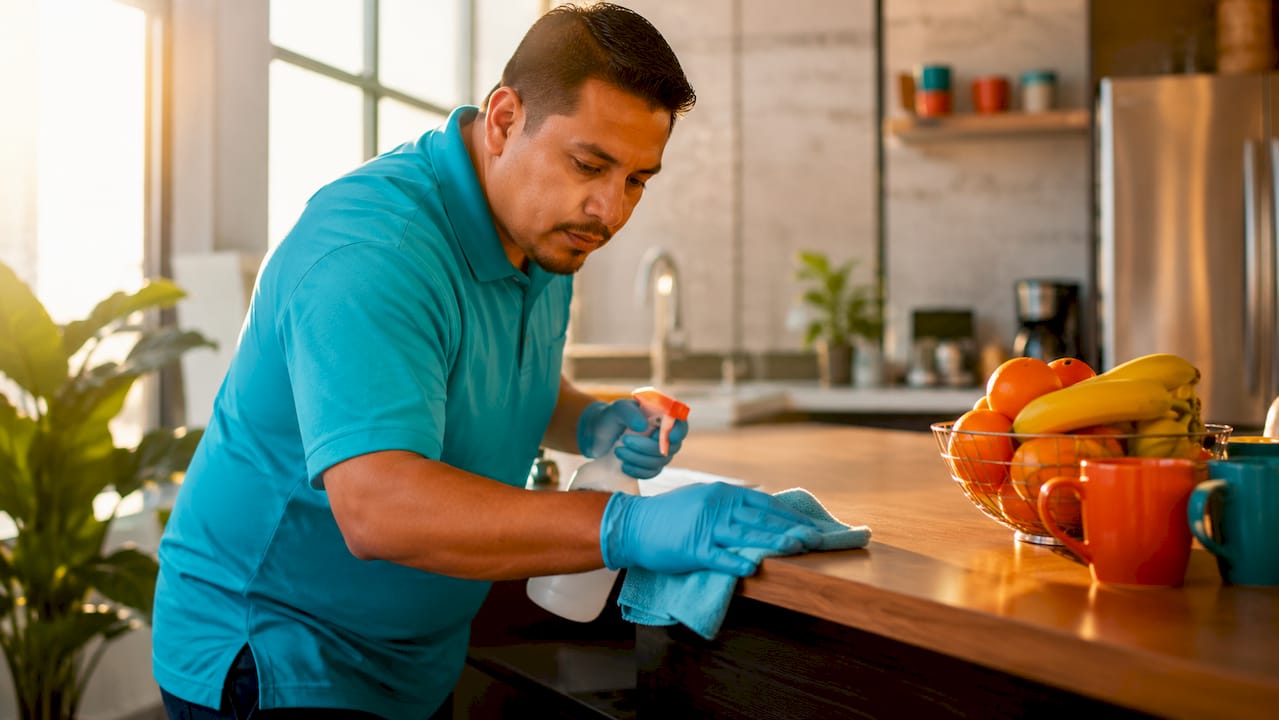
A clean office directly raises employee output. Indoor environmental quality improves cognitive function by 8%, with gains most visible in crisis response and strategic thinking tasks. That number matters because it means your team is not just more comfortable. They are measurably sharper.
Visual clutter increases cognitive load, pulling mental energy away from deep work. When surfaces are clear and shared spaces are organized, employees spend less mental effort filtering out environmental noise. The result is faster decision-making and fewer errors.
Weak cleaning protocols also cost time directly. Employees spend productive hours managing clutter and cleaning shared equipment themselves when no formal program exists. A professional cleaning routine recovers those hours and redirects them to actual work.
Pro Tip: Schedule disinfection of high-touch surfaces, including keyboards, door handles, and shared printers, at least three times per week. This single step reduces germ transmission and keeps employees at their desks instead of home sick.
2. Health benefits of a consistently clean office
Consistent cleaning is the most reliable tool for reducing illness in the workplace. Improved cleaning practices can reduce employee absenteeism by up to 46%. For a 50-person office, a 10–15% reduction in sick days saves over $7,650 per year at $255 per lost workday.
Surface sanitization breaks infection chains before they spread. When high-touch points are disinfected on a regular schedule, pathogens do not accumulate to levels that trigger illness. This is especially important in shared kitchens, restrooms, and conference rooms where multiple employees contact the same surfaces daily.
Systematic commercial hygiene practices also reduce allergens and indoor pollutants that degrade air quality over time. Dust, mold spores, and particulate matter build up in carpets and vents without regular attention. Controlling these contaminants lowers respiratory complaints and keeps your team healthier across the full year.
Cleaning protocols also support OSHA compliance, reducing liability exposure and workers’ compensation claims. A documented cleaning program demonstrates due diligence and protects the business if an incident occurs.
3. Impact of office cleanliness on professional image
Office cleanliness sends an immediate signal to every client and job candidate who walks through your door. A spotless reception area and clean meeting rooms communicate professionalism before a single word is spoken. A neglected space does the opposite, raising doubts about the quality of your work.
94% of workers report feeling more productive in clean workspaces. That figure reflects something deeper than comfort. Employees read cleanliness as a signal that leadership values their environment, and by extension, values them. This perception directly shapes morale and loyalty.
Cleanliness also plays a measurable role in employee retention decisions. Poor workplace conditions, including dirty shared spaces, are a documented factor in voluntary turnover. Replacing a single employee costs between 50% and 200% of their annual salary. A consistent cleaning program is far less expensive than that cycle.
Pro Tip: Integrate cleaning standards into your onboarding materials and employee handbook. When new hires see that cleanliness is a stated priority, it reinforces a culture of professionalism from day one.
4. Cost advantages of protecting office assets through cleaning
Consistent cleaning extends the life of your physical assets. Professional maintenance extends commercial flooring lifespan by 30–50%. Premature carpet replacement costs $3–$7 per square foot. For a 5,000-square-foot office, that is up to $35,000 in avoidable expense.
The comparison below shows the financial difference cleaning protocols make across common office assets.
| Asset | Without consistent cleaning | With consistent cleaning |
|---|---|---|
| Commercial carpet | Replacement every 5–7 years | Lifespan extended to 10+ years |
| HVAC system | Increased dust load, early failure | Sustained efficiency, fewer repairs |
| Hard flooring | Surface degradation, refinishing needed | Finish preserved with routine care |
| Shared equipment | Faster wear from grime buildup | Extended functional life |
HVAC systems benefit significantly from regular cleaning. Dust and particulate control prevents mechanical stress on HVAC components, sustaining energy efficiency and reducing repair frequency. Facility managers who treat cleaning as part of their HVAC maintenance program consistently report lower utility costs and fewer emergency service calls.
Cleaning also functions as risk mitigation. A documented cleaning schedule supports OSHA housekeeping compliance and reduces the probability of slip-and-fall incidents. Fewer incidents mean fewer claims and lower insurance exposure.
5. How to build a consistent office cleaning routine
The right cleaning frequency depends on your office size, foot traffic, and the nature of your work. A high-traffic sales floor needs daily attention. A small back-office team may function well with three visits per week. Cleaning frequency guidelines help managers match schedules to actual usage patterns rather than guessing.
Professional cleaning services outperform in-house janitorial arrangements in most commercial settings. Trained crews bring commercial-grade equipment, structured protocols, and accountability systems that individual staff members cannot replicate. The benefits of professional cleaners include consistent results, documented service logs, and liability coverage that protects your business.
A well-designed cleaning routine covers these core tasks on a scheduled basis:
- Daily disinfection of high-touch surfaces: door handles, light switches, elevator buttons, and shared equipment
- Restroom sanitization and restocking at least once per day
- Kitchen and break room cleaning after each meal period
- Vacuuming or mopping of high-traffic floor areas daily
- Desk surface and monitor cleaning at least twice per week
- Air quality management through vent cleaning and filter replacement on a set schedule
- Deep cleaning of carpets, upholstery, and hard floors on a monthly or quarterly cycle
Reactive cleaning, where you address problems only after they become visible, costs more than prevention. A consistent program keeps costs predictable and prevents the expensive interventions that follow neglect.
6. Why office air quality is a hidden benefit of regular cleaning
Air quality is one of the most overlooked office cleaning advantages. Dust, allergens, and volatile organic compounds accumulate in carpets, ceiling tiles, and HVAC ducts without visible warning signs. By the time employees notice symptoms, the contamination level is already affecting performance.
Office air quality and cleaning are directly connected. HEPA vacuuming removes fine particulates that standard vacuums recirculate into the air. Regular duct cleaning prevents the HVAC system from distributing accumulated dust across the entire office. These two practices alone produce a measurable improvement in indoor air quality within weeks.
Poor air quality increases fatigue, headaches, and respiratory irritation. All three reduce output without employees or managers identifying the source. Treating air quality as part of the cleaning program, not a separate facility issue, closes that gap.
7. Cleaning as a compliance and liability management tool
OSHA’s housekeeping standard (29 CFR 1910.22) requires employers to maintain clean, orderly, and sanitary workplaces. Non-compliance exposes businesses to fines, citations, and increased liability in the event of a workplace injury. A documented cleaning program is the most straightforward way to satisfy this requirement.
Professional cleaning services that follow structured protocols provide service logs and inspection records. These records serve as evidence of compliance during OSHA inspections. They also support insurance claims and legal defense if an incident occurs.
Cleaning reduces the physical conditions that cause accidents. Wet floors, cluttered walkways, and debris in high-traffic areas are leading causes of workplace slip-and-fall injuries. A consistent cleaning schedule eliminates these hazards before they result in claims.
Key takeaways
Consistent office cleaning is a direct investment in employee health, productivity, asset longevity, and regulatory compliance, with measurable financial returns that far exceed the cost of the program.
| Point | Details |
|---|---|
| Absenteeism reduction | Consistent cleaning cuts sick days by up to 46%, saving thousands annually for mid-size offices. |
| Productivity gains | Clean indoor environments improve cognitive function by 8%, benefiting focus and decision-making. |
| Asset preservation | Professional cleaning extends commercial flooring lifespan by 30–50%, avoiding costly early replacement. |
| Retention and image | 94% of workers feel more productive in clean spaces, and cleanliness directly affects turnover decisions. |
| Compliance protection | Documented cleaning programs support OSHA compliance and reduce liability from workplace incidents. |
Why managers underestimate cleaning as a business tool
Most managers I have worked with treat office cleaning as a fixed overhead line item. They approve the budget, sign the contract, and move on. What they rarely do is connect the cleaning program to the business outcomes they care about most: productivity, retention, and risk.
That disconnect is expensive. When cleaning is inconsistent or underfunded, the costs show up elsewhere. Sick leave spikes. Turnover climbs. A client visits and the conference room smells stale. None of those events get traced back to the cleaning program in the post-mortem, but they should.
The managers who get this right treat cleaning as a performance variable, not a fixed cost. They ask their cleaning provider for service logs. They track absenteeism before and after changing cleaning frequency. They walk the office with the same critical eye a client would use. That habit changes how they allocate resources.
The financial case is clear. Replacing one mid-level employee costs more than a full year of professional cleaning services for most offices. Cleaning is not overhead. It is retention spending, risk management, and productivity infrastructure rolled into one program. Treat it that way and the ROI becomes obvious.
— Ashley
Zia Building Maintenance: professional cleaning built for your office
Zia Building Maintenance has served Albuquerque businesses since 1989 with structured, reliable commercial cleaning programs designed around each client’s specific needs. The team covers everything from daily janitorial services to intensive floor care, with consistent results that protect your assets and support a healthy work environment.
Business managers who want cleaner offices, healthier teams, and documented compliance support can explore professional office cleaning services tailored to their facility size and industry. Zia Building Maintenance builds customized cleaning plans that align with your schedule, your standards, and your budget. Contact the team today to request an estimate and see why Zia Building Maintenance earned the title of the #1 office cleaning service in South Valley for 2025.
FAQ
What are the main benefits of consistent office cleaning?
Consistent office cleaning reduces absenteeism by up to 46%, improves cognitive function by 8%, extends asset lifespan, and supports OSHA compliance. These outcomes directly lower operating costs and improve employee performance.
How does a clean office affect employee productivity?
Clean workspaces reduce cognitive load from visual clutter and recover productive hours lost to informal cleaning tasks. Research links improved indoor environmental quality to measurable gains in focus and strategic thinking.
Is office cleaning worth the investment for small businesses?
A 10–15% reduction in sick days saves over $7,650 annually for a 50-person office, and replacing one employee costs 50%–200% of their annual salary. Cleaning costs far less than either outcome.
How often should an office be professionally cleaned?
High-traffic offices benefit from daily professional cleaning, while lower-traffic environments may need three visits per week. Frequency should match foot traffic volume, office size, and the nature of work performed.
Does office cleanliness affect employee retention?
Poor cleanliness is a documented factor in voluntary turnover decisions, and 94% of workers report feeling more productive in clean spaces. Maintaining a clean office is one of the lowest-cost retention tools available to managers.