
TL;DR:
- Tenant satisfaction heavily depends on consistent cleaning, which directly influences lease renewals and occupancy. Regular janitorial services protect building assets, reduce costs, and can increase rental income through premium charges. Tracking tenant feedback and complaint resolution improves service quality and maintains property value over time.
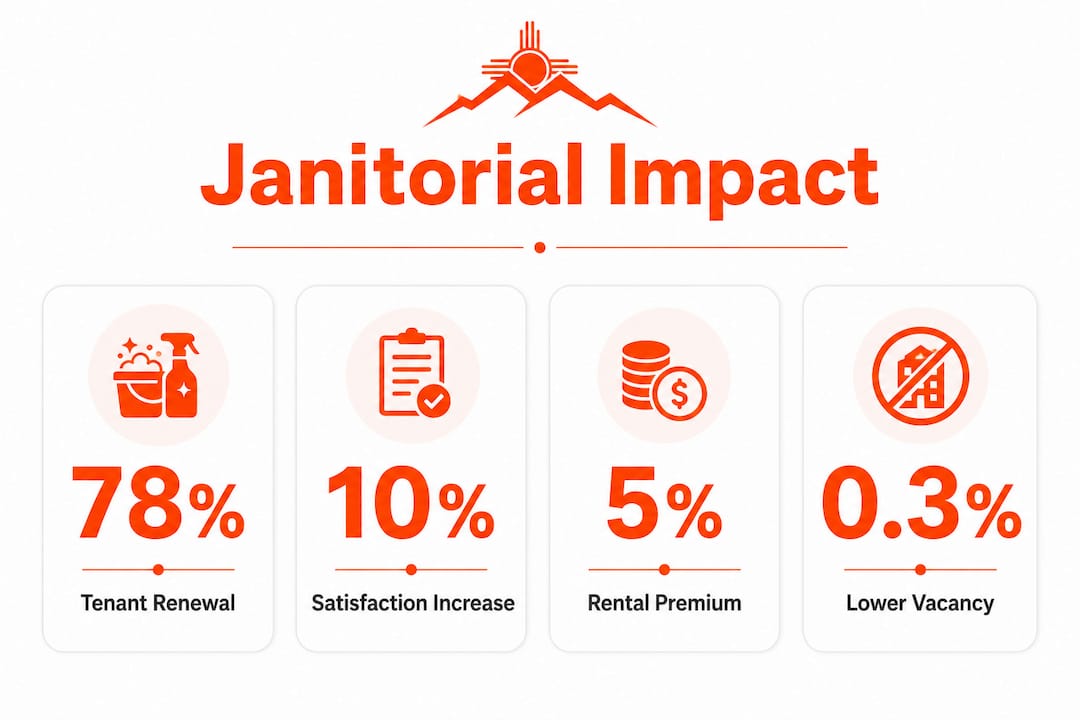
Janitorial consistency is defined as the reliable, scheduled delivery of cleaning services that meets the same standard every visit, every time. For property managers, this is not a nice-to-have. 78% of tenants identify building cleanliness as a primary factor in their decision to renew a lease. That single figure reframes cleaning from a facilities expense into a direct driver of occupancy and revenue. Understanding why janitorial consistency matters for property managers means understanding that every missed trash pull, every grimy restroom, and every scuffed lobby floor is a quiet signal to tenants that the building is not well managed. Zia Building Maintenance has delivered this standard for commercial properties in Albuquerque since 1989, and the pattern is clear: consistency protects value.
Why janitorial consistency matters for property managers
Tenant satisfaction and lease renewal rates move together. A 1-point increase in tenant satisfaction on a 5-point scale leads to 8.6% greater lease renewal willingness and a 23.1% lower tenant move-out probability. That is not a marginal gain. It means a single improvement in how tenants feel about their building can shift renewal conversations before they even start.
Cleanliness is the most visible and most frequently cited quality signal in a commercial building. Tenants do not see the HVAC maintenance logs or the roof inspection reports. They see the lobby floor, the restroom fixtures, and the common area trash cans. When those are consistently clean, tenants perceive the building as well managed. When they are not, complaints follow.
A 10% increase in tenant satisfaction correlates with 0.3% lower vacancy rates and 0.9% rent growth. Those numbers compound across a multi-unit portfolio. A property manager overseeing 50,000 square feet of commercial space can see measurable revenue differences simply by closing the gap between how tenants rate cleanliness importance and how satisfied they actually are.
Pro Tip: Run a short tenant survey every quarter with one specific question about cleaning satisfaction. Track the score over time. A downward trend is an early warning sign, not a complaint waiting to happen.
| Metric | Outcome |
|---|---|
| 78% of tenants cite cleanliness as a renewal factor | Cleaning quality directly influences occupancy decisions |
| 1-point satisfaction increase (5-point scale) | 8.6% higher lease renewal willingness |
| 1-point satisfaction increase (5-point scale) | 23.1% lower tenant move-out probability |
| 10% satisfaction improvement | 0.3% lower vacancy, 0.9% rent growth |
How does consistent janitorial service protect property value?
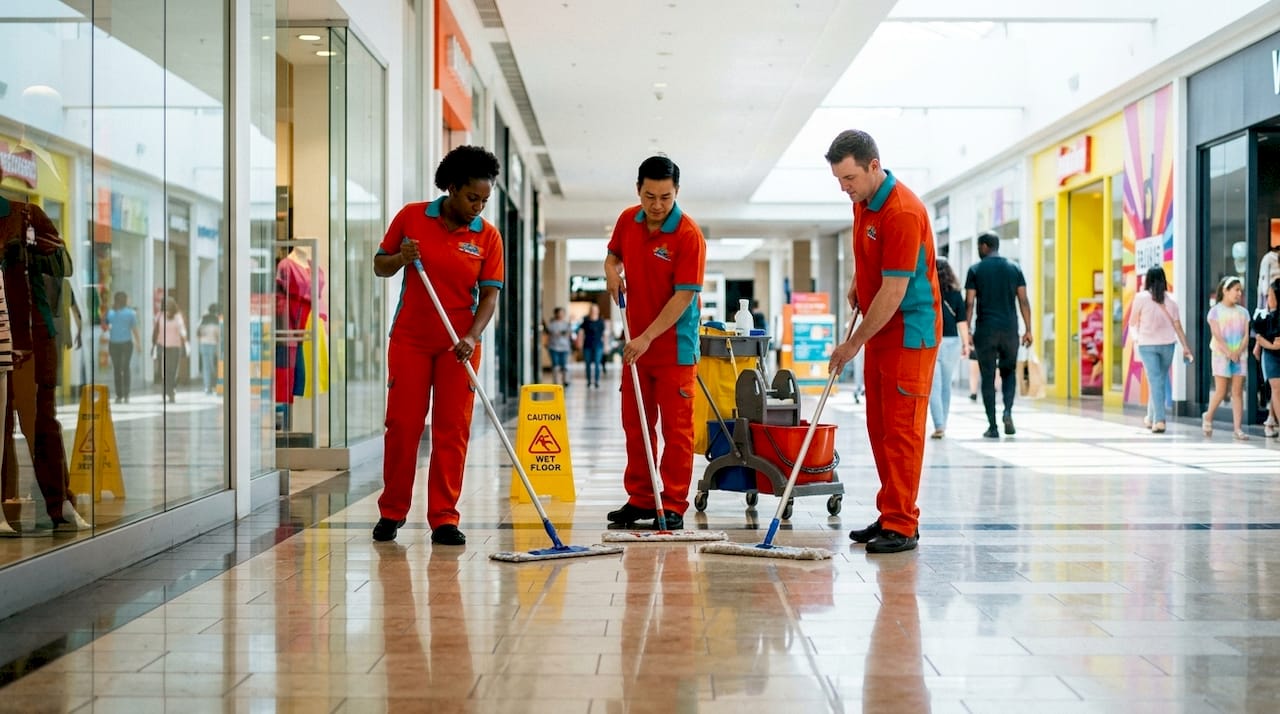
Routine janitorial services extend the lifespan of building assets including carpets, flooring, and fixtures, reducing the frequency and cost of replacements. This is one of the most overlooked financial arguments for consistent cleaning. A carpet that is vacuumed and spot-treated weekly lasts years longer than one that receives attention only when it looks visibly soiled.
Properties with high-standard janitorial programs can command a 5% rental premium, which equals $25,000 in additional annual revenue on a $500,000 rental base. That premium compounds across the full holding period of the asset. A property manager who treats cleaning as a cost center rather than a revenue driver is leaving money on the table every year.
Consistent cleaning also prevents the kind of structural damage that triggers emergency repairs. Grout that is never cleaned harbors moisture and cracks. Drains that are not maintained back up and cause water damage. Poor janitorial consistency leads directly to higher tenant complaints, increased turnover, costly emergency repairs, and loss of rental income. Preventive cleaning is always cheaper than reactive repair.
Recycling and sanitation programs that run on a consistent schedule also reduce odors, control pests, and support regulatory compliance. For property managers in jurisdictions with health and safety codes, this is not optional. Consistent janitorial service is part of your compliance infrastructure. You can learn more about protecting your building assets through floor coating maintenance protocols that align with regular cleaning schedules.
Pro Tip: Schedule deep cleaning for high-traffic areas like lobbies and restrooms at least once per month, separate from routine daily service. This prevents the buildup that routine cleaning alone cannot address.
What operational strategies ensure janitorial consistency?
Property managers who achieve reliable cleaning outcomes share one practice: they measure tenant-focused metrics, not just internal compliance checklists. Tracking cleaning complaint resolution times, with a target of under 24 hours, and surveying tenants on location-specific issues produces measurably better satisfaction scores than simply confirming that a cleaning crew showed up.
Here is a practical framework for building a consistent janitorial program:
- Define your service scope in writing. Every area, every frequency, and every standard should appear in a written service plan. Vague agreements produce inconsistent results.
- Set tenant-facing KPIs. Measure complaint resolution time, supply availability in restrooms, and tenant satisfaction scores. These metrics reflect what tenants actually experience.
- Conduct regular walkthroughs. A property manager or designated supervisor should inspect cleaned areas on a rotating schedule. Inspection creates accountability.
- Use location-specific feedback. If complaints cluster around a specific floor or restroom, that is a process gap, not a random event. Address it with a targeted protocol change.
- Partner with a professional janitorial team. Professional cleaning services provide trained crews, commercial-grade equipment, standardized plans, and quality control that in-house teams rarely match at scale.
Consistent janitorial services convert cleaning from an unpredictable expense into a fixed operating cost with fewer emergency requests. That predictability reduces management time and stress while improving return on investment across the property. You can review a cleaning contract checklist to confirm your service agreements include the right consistency and quality clauses.
Pro Tip: Ask your janitorial provider for location-specific service logs. If a restroom on the third floor generates repeated complaints, the log will show whether the issue is frequency, technique, or product choice.
What are the common pitfalls in maintaining janitorial consistency?
Staff turnover is the most common threat to janitorial consistency. When crew members change frequently, institutional knowledge about a building’s specific needs disappears with them. Standardized training protocols and written service plans are the only reliable defense against this problem.
Inconsistent training produces inconsistent results even when the same crew returns. A cleaning technician who was never shown the correct dilution ratio for a floor cleaner will produce a different result than one who was trained properly. This is why professional janitorial firms with documented training programs outperform informal arrangements over time.
Communication gaps between property managers and cleaning crews cause a specific type of failure: the problem that everyone knows about but no one has formally reported. Tenants mention a dirty stairwell to the front desk. The front desk does not have a system to relay it to the cleaning crew. The stairwell stays dirty. A formal complaint channel that connects tenant feedback directly to the janitorial team closes this gap.
Common pitfalls to watch for include:
- Relying on minimal compliance metrics (“Did the crew show up?”) instead of outcome metrics (“Is the building clean?”)
- Skipping regular walkthroughs because the building “looks fine”
- Using a single cleaning standard across all areas regardless of foot traffic or use type
- Failing to update service plans when tenant mix or building use changes
- Treating cleaning complaints as isolated incidents rather than systemic signals
A commercial property cleaning audit is the most direct tool for identifying where your current program falls short. Audits create a baseline, expose gaps, and give you a documented starting point for improvement conversations with your janitorial provider.
What I’ve learned about treating cleaning as a competitive advantage
Property managers often treat janitorial services as a background function. The cleaning crew comes in after hours, the building looks acceptable in the morning, and the budget gets approved again next year. That mindset is the reason so many properties leave renewal revenue on the table.
The data tells a different story. Closing the gap between how important tenants rate cleanliness and how satisfied they actually are by just 10 percentage points can raise overall satisfaction by 5–8 points. That is a significant shift in leasing power from a change that costs far less than a capital improvement project.
What I have seen consistently is that property managers who treat cleaning as a competitive differentiator fill vacancies faster and retain tenants longer. They are not spending more on cleaning. They are spending more deliberately. They have written service plans, they track resolution times, and they survey tenants. The buildings that struggle with retention often have the same cleaning budget but no system for measuring whether it is working.
The uncomfortable truth is that most janitorial problems are management problems, not cleaning problems. The crew is doing what they were told. The question is whether what they were told matches what tenants actually need. A professional janitorial service with a structured program removes the guesswork from that equation and gives you a partner who is accountable to the same outcomes you are.
— Ashley
Zia Building Maintenance: consistent cleaning for Albuquerque property managers
Zia Building Maintenance has served commercial properties in Albuquerque since 1989, earning the title of the #1 office cleaning service in South Valley for 2025. The team specializes in tailored janitorial programs built around your property’s specific needs, foot traffic patterns, and tenant expectations.
Every service plan from Zia Building Maintenance includes scheduled visits, documented quality checks, and direct communication channels so that nothing falls through the cracks. Property managers who want a cleaning partner that shows up on time, meets the same standard every visit, and responds to tenant feedback can start with professional office cleaning solutions built for commercial properties in Albuquerque. Contact Zia Building Maintenance to request a consultation and see what a consistent cleaning program looks like in practice.
Key Takeaways
Janitorial consistency is the single most controllable factor that property managers can use to improve tenant satisfaction, protect asset value, and reduce operational costs.
| Point | Details |
|---|---|
| Cleanliness drives renewals | 78% of tenants cite cleanliness as a primary lease renewal factor. |
| Satisfaction gains compound | A 1-point satisfaction increase yields 8.6% higher renewal willingness and 23.1% lower move-out probability. |
| Consistency adds rental value | High-standard janitorial programs can command a 5% rental premium on existing revenue. |
| Asset protection starts with routine cleaning | Regular service extends carpet, flooring, and fixture lifespan, reducing replacement costs. |
| Tenant-focused KPIs outperform compliance checklists | Tracking complaint resolution times and location-specific satisfaction scores produces better outcomes than attendance logs. |
FAQ
How does janitorial consistency affect lease renewal rates?
78% of tenants cite cleanliness as a primary renewal factor, and a 1-point satisfaction increase on a 5-point scale raises renewal willingness by 8.6%. Consistent cleaning is one of the most direct levers a property manager has over tenant retention.
What KPIs should property managers track for janitorial quality?
Track cleaning complaint resolution time, targeting under 24 hours, along with tenant satisfaction scores and supply availability in restrooms. These tenant-facing metrics reflect actual building experience better than internal attendance or task-completion logs.
Can consistent cleaning increase property revenue?
Properties with high-standard janitorial programs can command a 5% rental premium, which equals $25,000 in additional annual revenue on a $500,000 rental base. That premium compounds over the full holding period of the asset.
What causes janitorial inconsistency in commercial buildings?
Staff turnover, inconsistent training, and communication gaps between tenants and cleaning crews are the three most common causes. Standardized service plans and formal complaint channels address all three directly.
How often should commercial properties be professionally cleaned?
High-traffic areas like lobbies and restrooms typically require daily service, with deep cleaning at least monthly. The right frequency depends on foot traffic, tenant mix, and building use type. A cleaning frequency guide can help you set the right schedule for your property.