Why High School Cleaning Matters for Student Health and Academic Success
High school cleaning involves the systematic sanitization, disinfection, and maintenance of educational facilities to create safe, healthy learning environments. Effective cleaning reduces illness transmission, improves air quality, and supports better academic performance.
Key Components of High School Cleaning:
- Daily Tasks – Empty trash, sanitize desks/chairs, disinfect high-touch surfaces (door handles, light switches), sweep/mop floors
- Weekly Tasks – Deep dust shelves, clean electronics, scrub restroom fixtures, sanitize gym equipment
- Specialized Areas – Cafeterias (prevent foodborne illness), science labs (chemical safety), locker rooms (bacteria control)
- Professional Standards – Background-checked staff, proper chemical handling, compliance with health codes
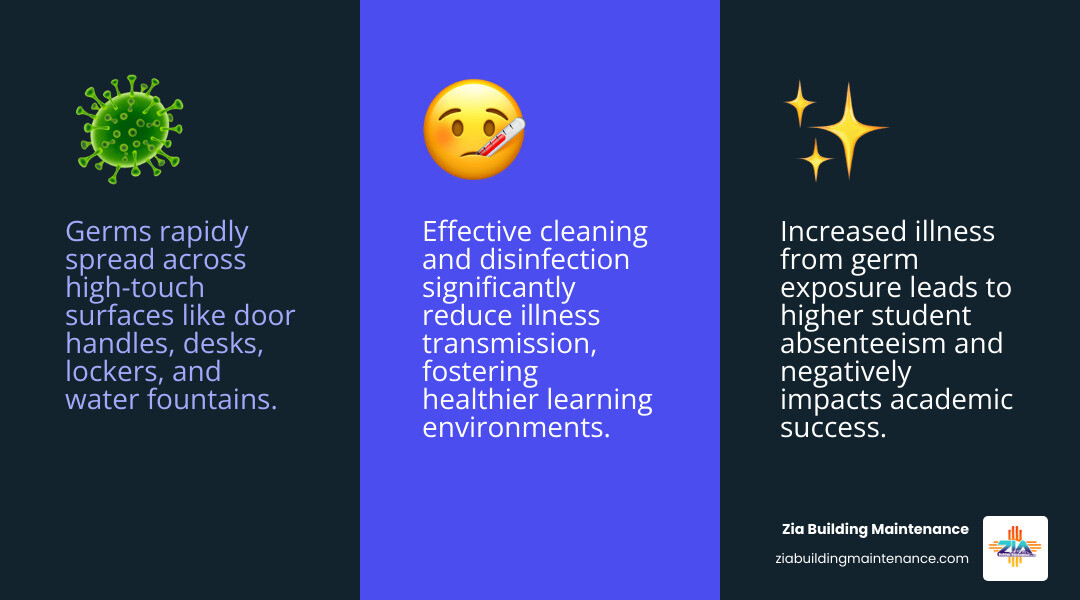
High schools face unique cleaning challenges. With thousands of students moving through hallways, classrooms, cafeterias, and gyms each day, these facilities quickly become breeding grounds for germs and bacteria. Maintaining a clean school environment is essential for the health and safety of students, teachers, and staff—it lowers absenteeism, improves concentration, and creates spaces where learning can thrive.
The stakes are high. Students exposed to high concentrations of germs are more likely to fall ill, which directly affects their academic performance. Meanwhile, inadequate maintenance programs can lead to costly facility repairs or even complete replacement down the line.
I’m Ashley Cordova, Vice President of Zia Building Maintenance, where we’ve been serving New Mexico schools and facilities since 1989. Our team understands that effective high school cleaning requires specialized protocols, trained staff, and consistent attention to the unique demands of educational environments.
The Core Components of High School Cleaning
When we talk about high school cleaning, we aren’t just talking about making floors look shiny. We are talking about “cleaning for health.” In a high school setting, thousands of square feet must be maintained with meticulous attention to detail. This requires a strategic selection of supplies and equipment.
We prioritize the use of green cleaning services and products. Why? Because many traditional cleaning products contain fragrances and chemicals that are frequently identified as allergens. These can irritate the respiratory system, cause headaches, and exacerbate asthma—a major concern when you have hundreds of teenagers in enclosed classrooms for hours at a time.
Our toolkit typically includes:
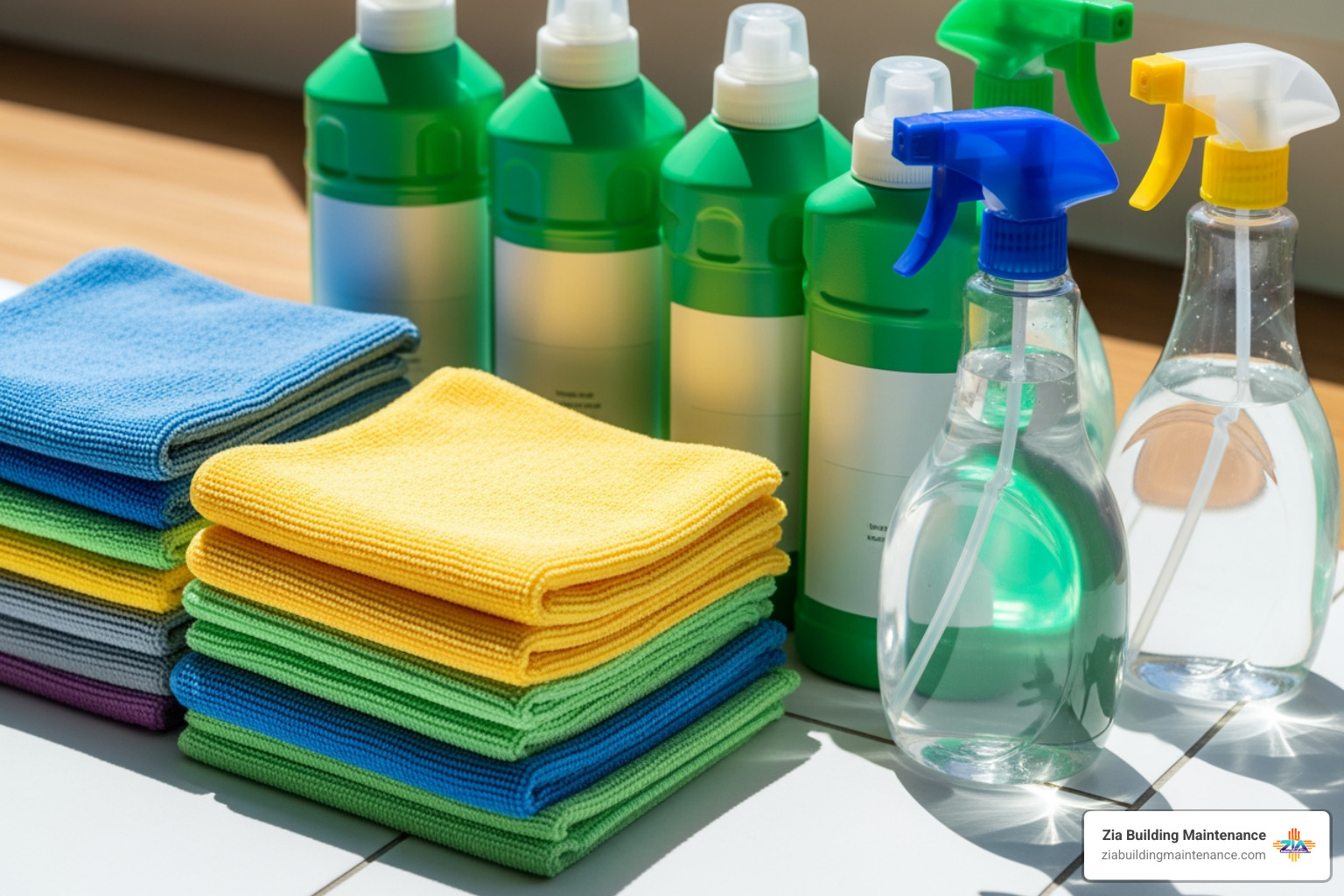
- Microfiber Cloths: These are superior to standard rags because their split fibers create more surface area, making them highly effective at physically removing dust, dirt, and germs.
- HEPA Filter Vacuums: These are essential for maintaining indoor air quality. They trap tiny particles that standard vacuums might simply blow back into the air.
- Fragrance-Free Cleaners: By choosing fragrance-free, we reduce the risk of triggering allergic reactions or asthma attacks among students and staff.
Cleaning vs. Sanitizing vs. Disinfecting
One of the most common points of confusion in our industry is the difference between these three terms. In a school, knowing when to use each is vital for both safety and efficiency.
- Cleaning: This is the physical removal of dirt, organic matter, and most germs from surfaces. We use soap and water or a general-purpose cleaner. Cleaning must always be done before disinfection because dirt can actually protect germs from the chemicals meant to kill them.
- Sanitizing: This reduces the number of germs on a surface to a level considered safe by public health standards. This is common in cafeterias and food-prep areas.
- Disinfecting: This involves using chemicals to kill germs on surfaces. While it doesn’t necessarily “clean” the dirt away, it kills the pathogens, significantly lowering the risk of infection.
| Action | What it Does | Common Use in High Schools |
|---|---|---|
| Cleaning | Removes dirt/germs physically | Hallway floors, window sills, bookshelves |
| Sanitizing | Reduces bacteria to safe levels | Cafeteria tables, kitchen counters |
| Disinfecting | Kills bacteria and viruses | Restrooms, door handles, nurse’s office |
For a deeper dive into these distinctions, you can read our guide on the difference between cleaning, sanitizing, and disinfecting.
Essential Equipment and Safety
To keep an Albuquerque high school running smoothly, custodial teams need the right tools. We use flat mops, which are more hygienic than traditional string mops because they can be changed frequently to prevent cross-contamination.
Safety is our top priority. Every chemical used in our janitorial services must have a corresponding Safety Data Sheet (SDS) on-site. This ensures that if a spill or accidental exposure occurs, staff know exactly how to respond. Furthermore, we ensure proper ventilation during and after cleaning to protect the health of the students who will occupy the space the following morning.
Area-Specific Protocols for Health and Safety
High schools are diverse ecosystems. A science lab requires a completely different approach than a basketball court or a restroom. By implementing area-specific protocols, we can target the “germiest” spots effectively.
Daily and Weekly High School Cleaning Tasks
A consistent schedule is the backbone of any successful maintenance program. At Zia Building Maintenance, we recommend breaking tasks down by frequency to ensure no corner is neglected.
Daily Tasks:
- Trash Disposal: Emptying all bins and replacing liners to prevent odors and pests.
- High-Touch Sanitization: Wiping down desks, chairs, door handles, and light switches. These are the primary vehicles for virus transmission.
- Floor Care: Sweeping and mopping hard floors and vacuuming high-traffic carpeted areas.
- Restroom Sanitation: Disinfecting toilets, sinks, and urinals, and restocking soap and paper products.
Weekly Tasks:
- Deep Dusting: Cleaning hard-to-reach areas like the tops of lockers, window sills, and blinds to improve air quality.
- Electronics Cleaning: Sanitizing keyboards and computer screens with electronics-safe wipes.
- Floor Maintenance: Using specialized equipment for deeper floor cleaning, such as buffing or using commercial tile cleaning service techniques.
For more detailed strategies, teachers can refer to these Classroom Cleaning Tips for Teachers.
Specialized Environments: Gyms, Labs, and Cafeterias
The Cafeteria:
A clean cafeteria is about more than just aesthetics; it’s about preventing foodborne illness. We focus on cross-contamination prevention and managing allergens. Spills must be addressed immediately, and tables should be sanitized after every lunch period.
The Gymnasium:
Gyms and gym and health clubs cleaning require a focus on moisture control. Sweat and humidity can lead to fungal growth and unpleasant odors. Gym mats and fitness equipment must be disinfected daily to prevent the spread of skin infections like MRSA or ringworm.
Science Labs:
These areas require specialized knowledge. Custodial staff must be trained to clean around sensitive equipment and handle potential chemical residues without causing dangerous reactions.
Student Lockers:
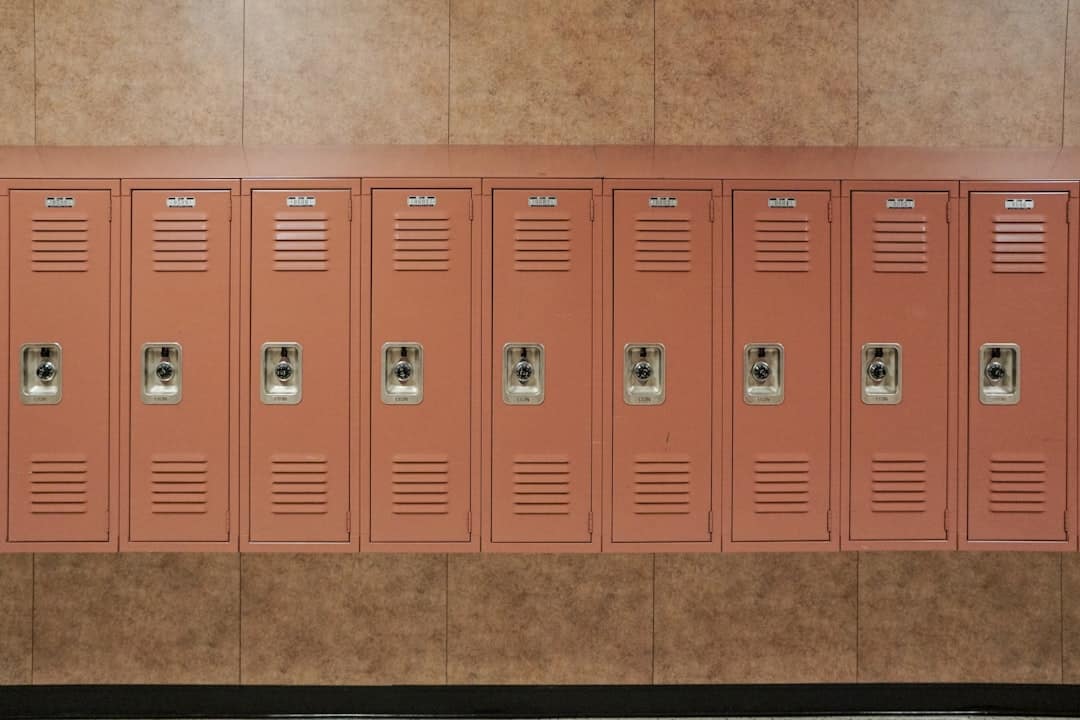
Research shows that student lockers represent a high risk for the spread of germs. Because they are enclosed and high-touch, they need regular disinfection to prevent them from becoming “bacteria hotels.”
Professional Services vs. In-House Staffing
Many schools in the Albuquerque and Rio Rancho areas struggle with the decision to use in-house staff or hire a professional service. While in-house staff are part of the school community, professional services offer several distinct advantages.
Benefits of Professional High School Cleaning
- Staff Vetting and Security: At Zia Building Maintenance, we understand the importance of safety in schools. All our team members undergo rigorous background checks and screening for roles in the “vulnerable sector.”
- Cost-Effectiveness: You might think DIY is cheaper, but when you factor in the cost of high-end equipment, specialized chemicals, and the time spent on training and management, why hiring professional janitorial service is more cost-effective than DIY cleaning becomes clear.
- Specialized Tools: We use advanced technologies like electrostatic cleaning to ensure 360-degree coverage on complex surfaces like locker handles and gym equipment.
- Compliance: Professional cleaners stay up-to-date on health codes and OSHA regulations, ensuring your school is always in compliance.
Adapting to Public Health Emergencies
Whether it’s the seasonal flu or a global event like COVID-19, high school cleaning protocols must be flexible. During public health emergencies, we increase the frequency of “touchpoint” cleaning.
Studies show that while COVID-19 is primarily transmitted through aerosols, maintaining clean surfaces is still a vital part of a “bundle of measures” to prevent infection. We also emphasize “dwell time”—the amount of time a disinfectant must stay wet on a surface to actually kill the germs. Most products require 5 to 10 minutes of dwell time to be effective. For more on this, check out this guide on How to Clean a Classroom.
Frequently Asked Questions about High School Hygiene
What is the difference between cleaning and disinfecting?
Cleaning uses soap and water to physically remove dirt and most germs. Disinfecting uses chemicals to kill the remaining germs. You should always clean a surface before disinfecting it to ensure the chemical can reach the germs.
How often should high school locker rooms be cleaned?
Locker rooms should be cleaned and disinfected at least once daily. High-traffic touchpoints like door handles and faucet taps may require sanitization multiple times a day during peak sports seasons.
Can students help with classroom cleaning?
Yes! Encouraging student responsibility is a great way to teach hygiene habits. However, students should only use safe materials like soap and water or fragrance-free baby wipes. They should never be asked to handle industrial-strength disinfectants or bleach.
Conclusion
A clean high school is a successful high school. By prioritizing high school cleaning, we protect our students’ health, boost their productivity, and preserve the community’s investment in its educational facilities.
At Zia Building Maintenance, we take pride in being a family-owned Albuquerque business that treats every school like our own. From Bernalillo to Rio Rancho, we provide the dependable, high-quality commercial cleaning that New Mexico’s students deserve. If you’re ready to see the difference that professional attention to detail can make, we are here to help.