
TL;DR:
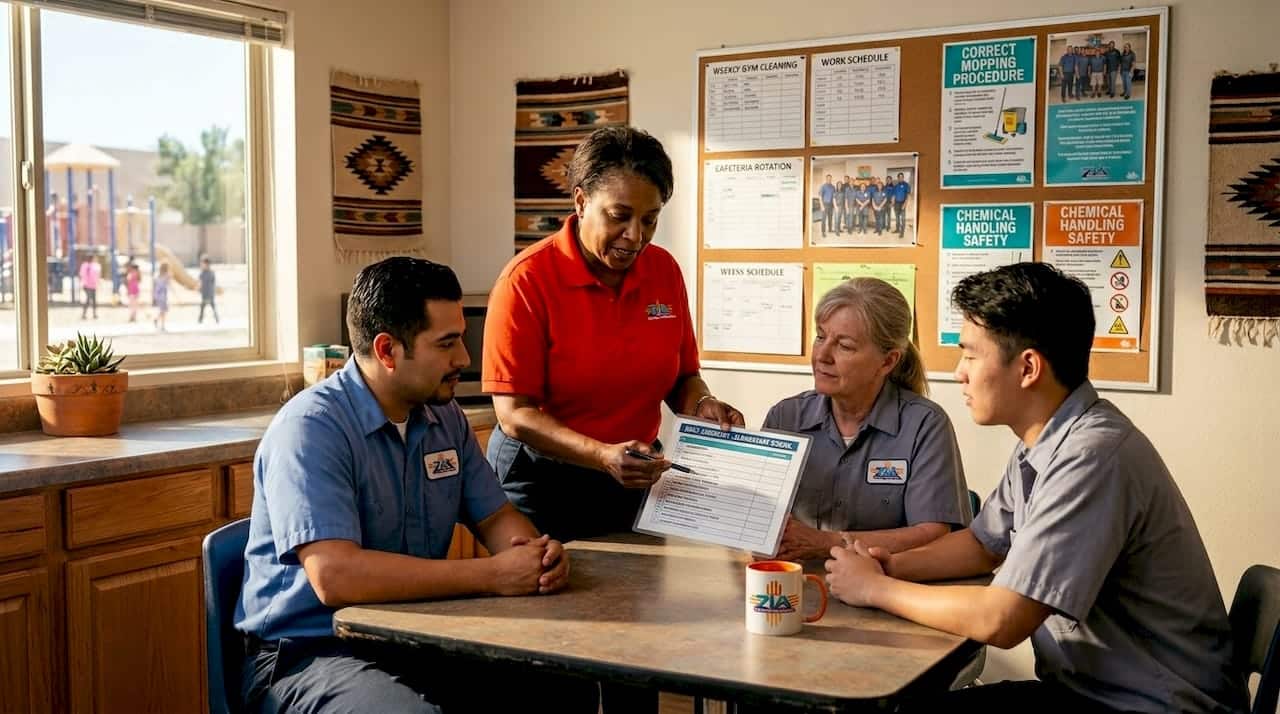
- Effective custodial management involves structured procedures, ongoing safety training, and staff recognition to ensure consistent school cleaning quality. Proper onboarding, zone-based task assignments, and detailed checklists enhance accountability and compliance, reducing turnover and safety risks. Leadership must define supervision roles, enforce safety protocols, and foster a culture that values custodial work through visible recognition and professional development.
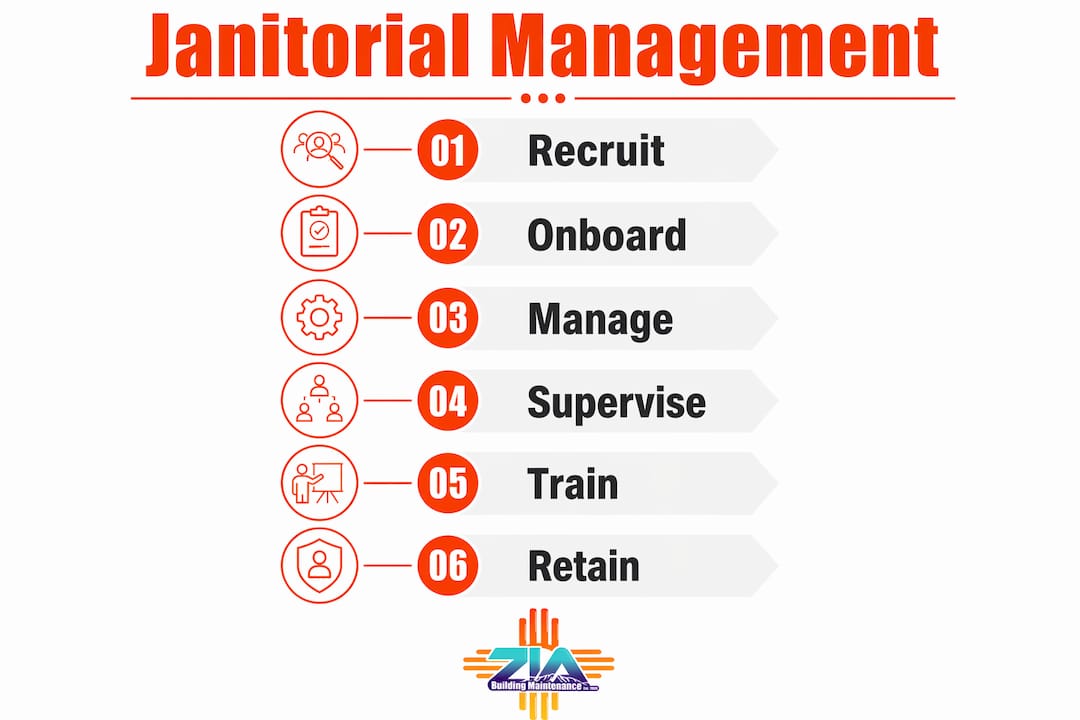
Effective custodial management, the recognized industry term for what administrators often call school janitorial service oversight, is defined as the structured process of recruiting, training, supervising, and retaining cleaning personnel to maintain safe and sanitary educational facilities. To manage school janitorial staff well, you need documented procedures, clear accountability systems, and ongoing safety training. Schools that operate without these foundations face inconsistent cleaning quality, higher staff turnover, and real compliance risks. This guide covers every stage of the process, from hiring your first custodian to building a team that performs consistently year after year.
How to recruit and onboard janitorial staff for schools
Hiring the right custodial staff starts with defining what the job actually requires. School janitors work in occupied buildings with children present, which means background checks, chemical safety awareness, and physical stamina are non-negotiable criteria. Candidates should also demonstrate reliability and the ability to follow written procedures without constant supervision.
Structured onboarding is where most school districts fall short. Formal training includes written cleaning procedures, safety education, equipment certification, and periodic performance evaluations. This means new hires should not be handed a mop and pointed toward a hallway. They need a documented orientation that covers every area of the building, every piece of equipment they will operate, and every chemical they will handle.
Key elements of an effective onboarding program include:
- A written procedures manual covering classrooms, restrooms, cafeterias, hallways, and gymnasiums
- Hands-on equipment demonstrations for floor buffers, wet vacuums, and pressure sprayers
- Chemical dilution training with clear labeling requirements
- Personal protective equipment (PPE) fitting and usage protocols
- A supervised trial period with daily feedback from a lead custodian or facilities director
Inadequate chemical handling training increases safety risks and operational costs, making comprehensive onboarding non-negotiable for new custodians. One improperly diluted disinfectant can damage flooring, trigger student respiratory complaints, or create a liability issue for the district.
Pro Tip: Create a printed onboarding checklist that the new hire and their supervisor both sign off on at each stage. This single document reduces training gaps and creates a paper trail for compliance purposes.
What tools and procedures ensure efficient daily management?
Standardized daily checklists are the foundation of school cleaning staff management. A daily school cleaning checklist covering classrooms, restrooms, cafeterias, hallways, and gyms improves accountability and reduces missed tasks. This means every custodian knows exactly what to clean, in what order, and at what frequency, regardless of who is on shift that day.
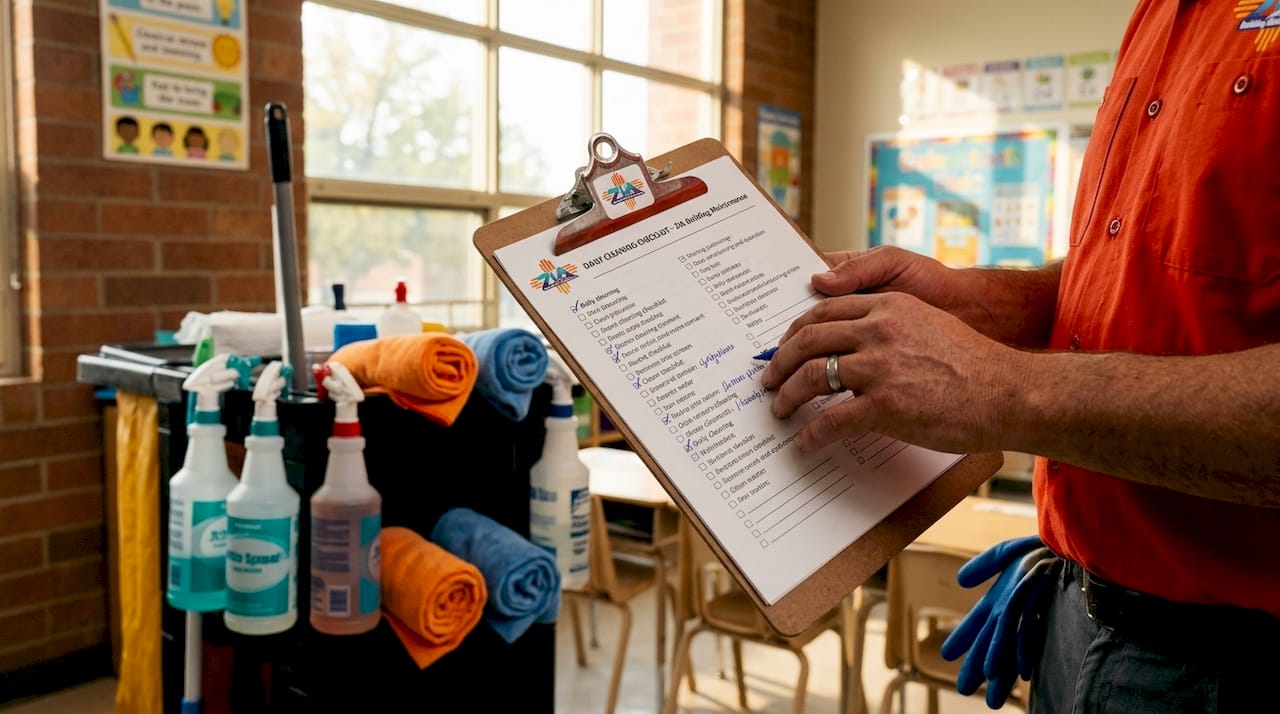
Standard Operating Procedures (SOPs) eliminate the reliance on memory and informal training passed between staff members. When a custodian calls in sick and a substitute steps in, an SOP-based system keeps quality consistent. Without written procedures, cleaning standards degrade every time there is a personnel change.
The table below compares two common approaches to task management in school custodial programs:
| Approach | Strengths | Weaknesses |
|---|---|---|
| Verbal instruction only | Fast to implement, low setup cost | Inconsistent results, no accountability trail |
| Written SOPs and checklists | Standardized quality, clear accountability | Requires upfront time to create and maintain |
Assigning responsibilities by zone rather than by task type is a proven method for efficient janitorial staff coordination. Each custodian owns a defined area of the building, which makes it easy to identify who is responsible when a space is not cleaned properly. Linking cleaning tasks to observable verification points, such as confirming high-touch surface disinfection is complete, reduces ambiguity and improves consistency during staff changes.
Log sheets and digital management systems add another layer of documentation. Whether you use a paper binder at the custodial closet or a facility management platform, recording task completion status creates the data you need to identify patterns, address gaps, and demonstrate compliance during inspections. For guidance on tracking systems, the school cleaning task guide from Zia Building Maintenance offers practical templates for school facilities.
How to supervise, evaluate, and motivate janitorial staff
Supervision in school custodial management is a defined role, not an informal responsibility. Facilities directors supervise and evaluate custodial staff and manage custodial budgets, with salaries ranging from $80,000 to $100,000 per year in many districts. This reflects how seriously high-performing districts treat the oversight function. If your school assigns custodial supervision to an administrator who also manages five other departments, cleaning quality will suffer.
Effective supervision follows a clear cycle:
- Set written performance standards at the start of each school year, tied directly to the SOP and checklist system.
- Conduct monthly walkthroughs of each custodian’s assigned zone, using a standardized inspection form.
- Hold quarterly feedback sessions that document both strengths and areas for improvement.
- Tie annual performance evaluations to observable outcomes, not subjective impressions.
- Recognize top performers publicly through district-level awards or school announcements.
Recognition programs and collaborative communication between administrators and custodial staff increase pride and retention in janitorial teams. A district environmental services coordinator credited custodial excellence awards for reflecting collaborative efforts that boost morale. Public recognition costs nothing and signals to the entire school community that custodial work is valued.
Communicating the “why” behind cleaning standards also matters. When custodians understand that disinfecting a cafeteria table prevents illness in 500 students, they approach the task differently than when they see it as a routine chore. Connecting daily tasks to student health outcomes builds professional pride and reduces the cynicism that drives turnover.
Pro Tip: Schedule a brief monthly meeting between the facilities director and the full custodial team. Use it to share inspection results, recognize wins, and address supply or equipment issues before they become problems.
What safety and compliance training are essential for school janitors?
Safety training is a legal requirement, not an optional program. The OSHA Bloodborne Pathogens Standard requires initial training at hire and annual refresher training within 12 months, covering exposure risks, PPE use, and post-exposure procedures. Documentation of this training must be maintained and available for inspection. Failure to comply exposes the district to significant fines and liability.
Core safety training requirements for school custodial staff include:
- OSHA Bloodborne Pathogens Standard training, documented at hire and annually
- Chemical handling protocols, including dilution ratios, storage requirements, and spill response
- Biohazard cleanup procedures for bodily fluid incidents in classrooms and restrooms
- PPE selection, fitting, and maintenance for gloves, eye protection, and respiratory equipment
- Equipment lockout/tagout procedures for floor care machinery
EPA Safer Choice certified products help schools procure safer, effective cleaning supplies that often cost the same as conventional alternatives. Using certified products reduces chemical exposure complaints from students and staff, which in turn reduces the number of safety incidents your custodial team must manage.
Biohazard incidents deserve special attention. When a bodily fluid spill occurs in a school, the instinct is to have the nearest custodian clean it up immediately. That approach creates real risk.
School janitorial staff should escalate biohazard cleanup for bodily fluid incidents to trained specialists rather than handling it themselves, due to safety and compliance risks. (source)
Your SOPs should include a clear escalation protocol that every custodian knows by memory. The OSHA training requirements guide from Zia Building Maintenance covers how to build this into your regular training calendar.
How to retain and develop janitorial staff for long-term success
Turnover in school custodial programs is expensive and disruptive. Every time a trained custodian leaves, you absorb recruiting costs, onboarding time, and a period of reduced cleaning quality while the replacement gets up to speed. Consistently using the same janitorial teams and written protocols drastically improves reliability and custodial quality in school districts. Retention starts with making the job worth keeping.
Practical retention strategies include:
- Offering annual refresher training that builds new skills rather than just repeating compliance content
- Creating a clear career path from custodian to lead custodian to facilities coordinator
- Building two-way communication channels so staff can report supply shortages, equipment failures, or safety concerns without fear
- Providing fair and predictable scheduling that respects personal time and avoids last-minute shift changes
- Recognizing staff achievements through professional development and quality recognition, which fosters longer tenure and better performance
Clear expectations reduce frustration. When custodians know exactly what is expected of them each day, they spend less energy guessing and more energy working. Pairing this clarity with fair treatment and genuine recognition creates the conditions for a stable, high-performing team. For a deeper look at how to evaluate your team’s output, the janitorial performance evaluation framework from Zia Building Maintenance provides a structured approach that school facilities managers can adapt directly.
Key takeaways
Effective school custodial management requires documented procedures, structured safety training, and consistent recognition to build a reliable, long-tenured janitorial team.
| Point | Details |
|---|---|
| Structured onboarding is non-negotiable | Written procedures, equipment certification, and chemical training must begin on day one. |
| Checklists and SOPs drive consistency | Zone-based task assignment with observable verification points reduces missed tasks and staff dependency. |
| Supervision must be a defined role | Facilities directors with clear authority and evaluation cycles produce measurably better custodial outcomes. |
| Safety training is a legal requirement | OSHA Bloodborne Pathogens training must be documented at hire and repeated annually without exception. |
| Recognition reduces turnover | Public acknowledgment and career development opportunities keep experienced custodians on your team longer. |
What I’ve learned from watching school custodial programs succeed and fail
The single biggest mistake I see school administrators make is treating custodial training as a one-time event. They run a two-hour orientation in August, hand out a supply closet key, and assume the job is done. Six months later, restroom complaints are up, floor care has slipped, and the facilities director is wondering why quality dropped.
The programs that work are built on documentation. Every task has a written procedure. Every procedure has a verification step. Every verification step creates a record. This is not bureaucracy for its own sake. It is the only way to maintain quality when staff changes, substitutes fill in, or a new hire joins mid-year.
I also think the industry underestimates the power of separating task assignment from task verification. When the same person who assigns a task also verifies it, accountability is weak. When a lead custodian assigns zones and a facilities director independently inspects them, the system has integrity. Separating task assignment from verification using recordkeeping strengthens accountability in custodial management. That insight alone is worth more than any new piece of equipment.
Finally, I believe recognizing custodians publicly changes the culture of a school. When a principal mentions the custodial team at a staff meeting, or when a district posts photos of award-winning custodians on social media, it signals that this work matters. That signal reduces turnover more reliably than a pay increase alone.
— Ashley
How Zia Building Maintenance supports school cleaning programs
School administrators who want to strengthen their custodial programs do not have to build every system from scratch. Zia Building Maintenance has delivered professional janitorial and commercial cleaning solutions to schools in Albuquerque since 1989, earning recognition as the #1 office cleaning service in South Valley for 2025.
Whether you need support with daily cleaning coverage, compliance-ready training resources, or a full-service custodial program, Zia Building Maintenance brings the consistency and quality that school facilities require. Their team works with school administrators to develop customized cleaning plans that align with your schedule, your standards, and your budget. Explore their professional school cleaning services to see how a trusted partner can complement your internal management efforts and keep your facility spotless.
FAQ
What is school janitorial service?
School janitorial service is the organized program of cleaning, disinfecting, and maintaining a school facility, typically carried out by trained custodial staff following documented SOPs and daily checklists.
How often should school janitors receive safety training?
OSHA requires Bloodborne Pathogens training at hire and annual refresher training within 12 months, with all sessions documented and available for inspection.
What is the best way to reduce custodial staff turnover?
Combining clear written expectations, fair scheduling, annual skill-building refresher courses, and public recognition programs produces the strongest retention outcomes for school custodial teams.
How do checklists improve school cleaning consistency?
A structured daily checklist assigns tasks by area, frequency, and responsible person, which reduces missed tasks and maintains quality even when substitute or new staff are on duty.
Should school janitors handle biohazard cleanup?
School custodial staff should not perform biohazard cleanup for bodily fluid incidents. Escalating to trained specialists is the correct protocol to protect staff safety and maintain compliance.